Gender equality was part of socialism’s promise of a better future in the GDR and an essential element of systemic competition with the Federal Republic of Germany (Bundesrepublik Deutschland, FRG), with which the GDR was able to distinguish itself as a (more) modern state (→ competing political systems). Against this background, gender equality was also an objective of education policy in the GDR. As educational media was an important part of comprehensive school education and extracurricular reading pedagogy, which was intended to make a significant contribution to the development of comprehensively developed socialist personalities (→ comprehensively developed socialist personality), school textbooks and children's literature from the period 1949–1990 were examined and analysed. The central question was how the promise of equality with regard to gender relations was conveyed in school textbooks and children's literature. What ideas and images were portrayed in educational media and thus passed on from generation to generation?
Divided gender equality: employment as a cipher for equality
As a policy objective, the promise of gender equality was a state objective and was enshrined in the GDR constitution (Verfassung der DDR, 1949) in order to guarantee the legal and political equality of women at all levels of public and private life. Gender equality primarily referred to the integration of women into the world of work and labour. This integration was quite successful: in 1989, the labour force participation rate of women in the GDR was 91.2 % (Winkler, 1990, p. 63). In contrast, the labour force participation rate of women in FRG states at that time was around 51% (cf. Statistisches Bundesamt, 1989).
Despite these high participation rates for women, a hierarchisation of the genders can also be discerned in the GDR. The traditional allocation of women's responsibilities for reproduction, care, and education was not fundamentally contested (cf. Trappe, 1995; Dölling, 1991; Kaminsky, 2016), so that there remained a considerable gap between the constitutional requirement of equality and the actual reality of GDR women's lives (Winkler, 1990, p. 10). The equality policies of the GDR did not focus on both genders equally and did not focus on the compatibility of family and work across the genders. We can therefore speak of a divided equality (Baader, Koch, Neumann, 2023) of women, which primarily related to integration into the labour market, but in which the professions remained fundamentally gendered.
Textbooks and children’s literature: depicting the working mother
GDR educational media was, at times subtly, permeated by a representation of various gender inequalities – especially in the portrayal of women's occupations. While the occupation of men was extremely present in texts and images, i.e. men's characters were named and narrated both in their job titles and professional activities, women, on the other hand, were often portrayed as working mothers. It is striking how vague the exact occupation of the mother and the specific professional activity of women mostly remained. Exceptions were teachers, educators or women who worked in service sectors, such as hairdressers.1
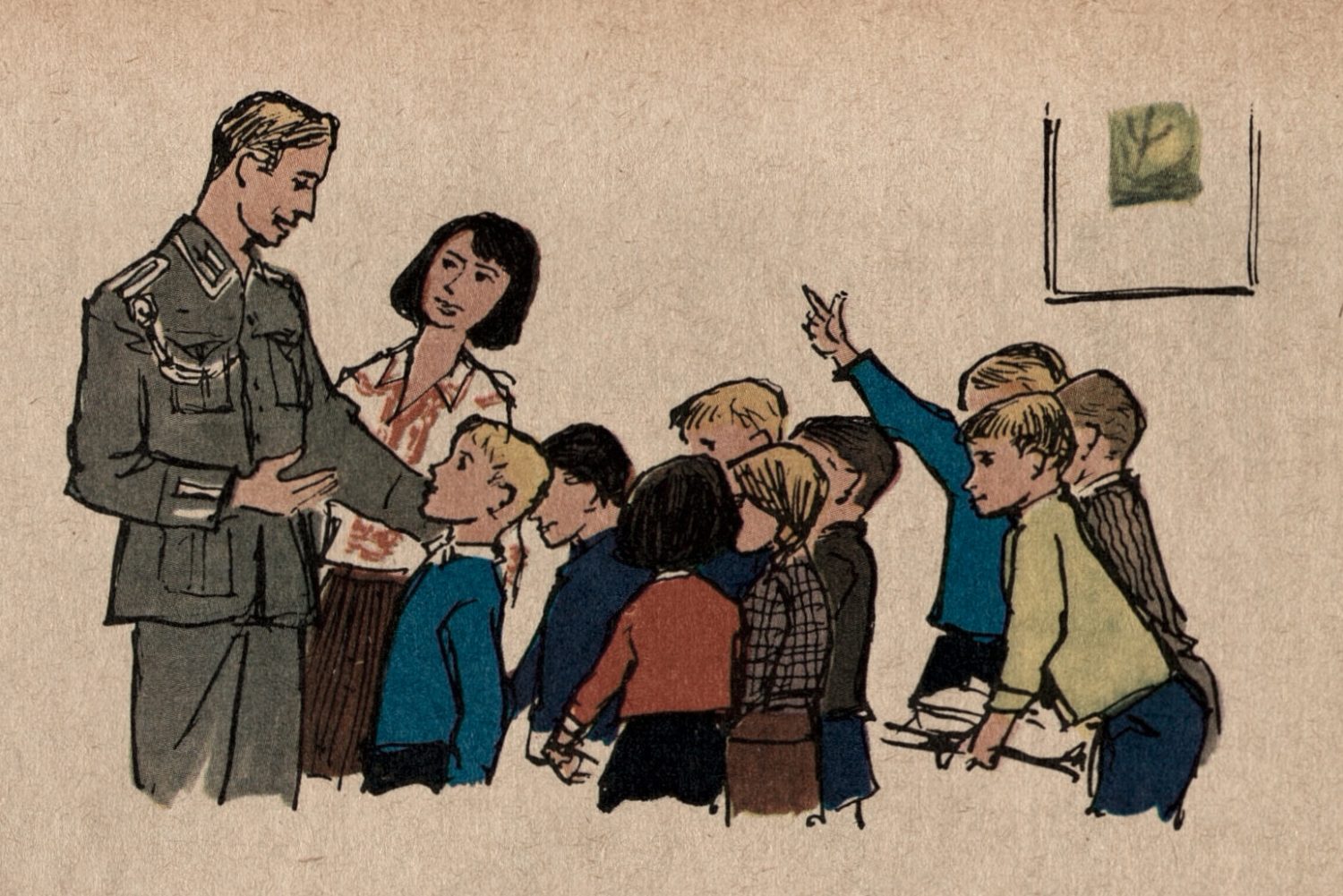
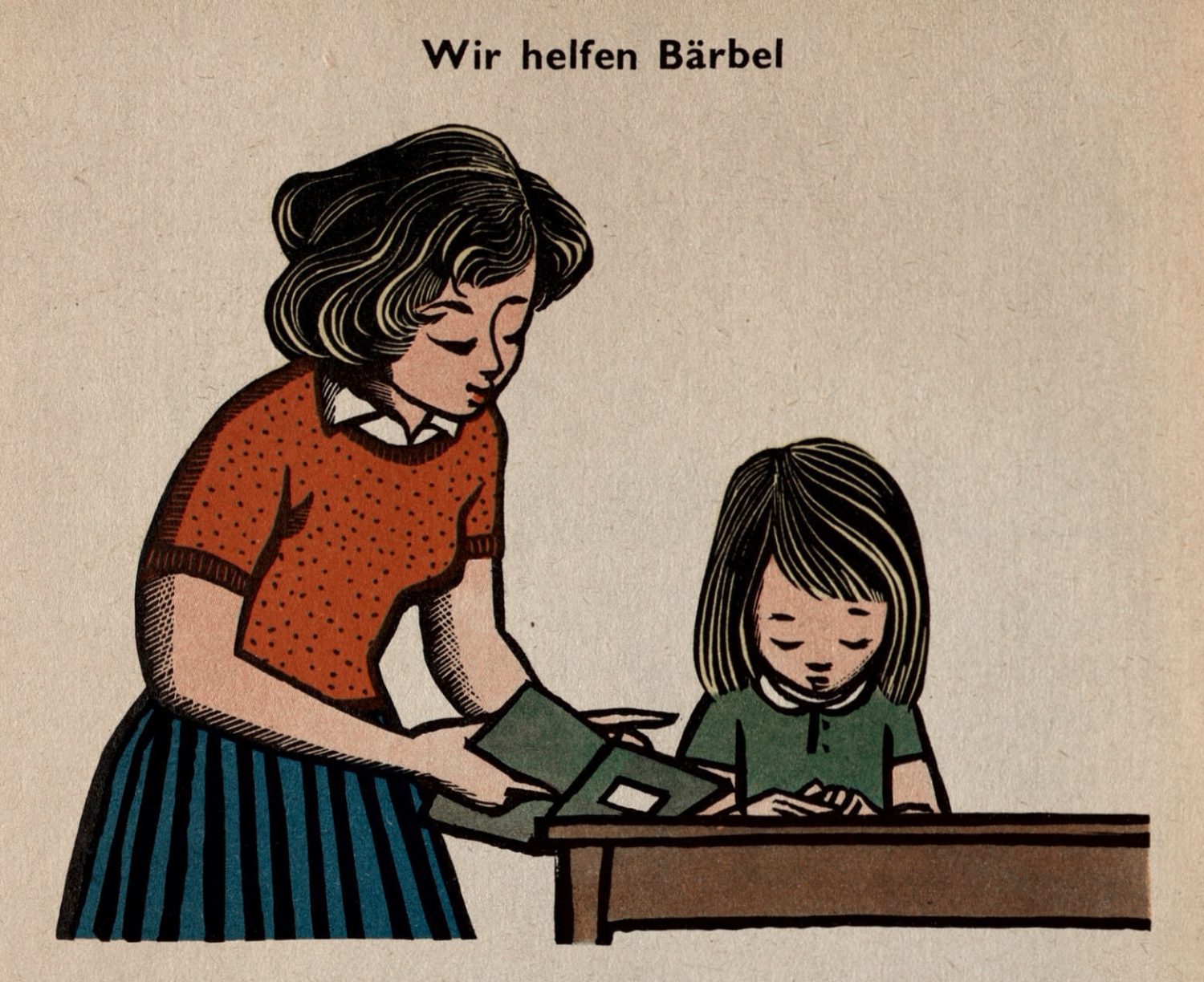
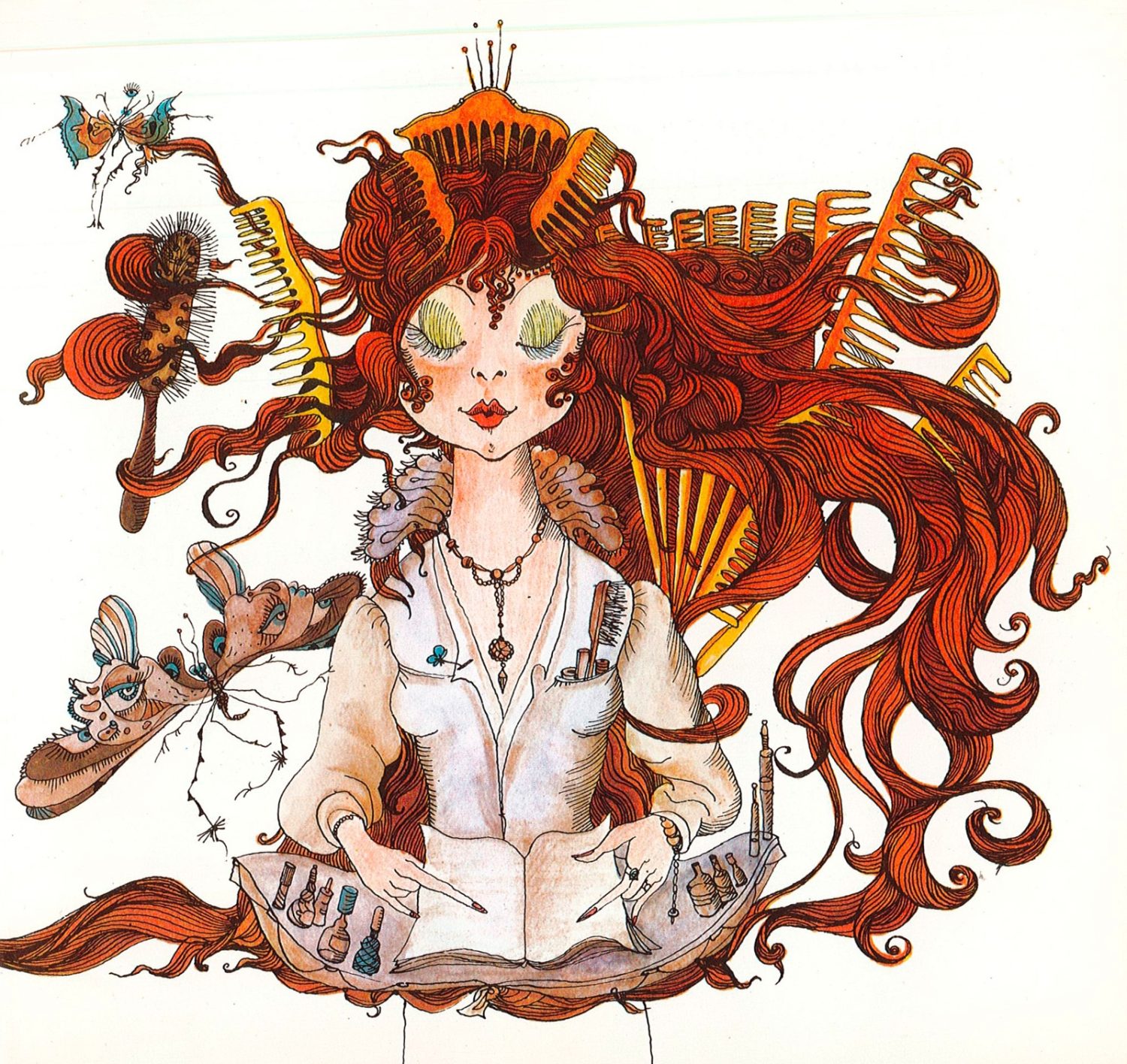
A high proportion of women depicted in educational media were pictured in educating, caring, and nursing activities and, conversely, when educating, caring, and household activities were depicted, they were conducted primarily by women, both textually and visually. In this respect, the depiction of women's professional activities appears to be a cipher for the compatibility of motherhood and gainful employment (Baader, Koch, Neumann, 2023), because women were image-worthy (Dölling, 1991, p. 212) in school and children's books, particularly in this connection (→ image worthiness). On the one hand, the unequal distribution of family tasks and, on the other hand, the double burden of gainful employment and reproductive work for women remained unaddressed. Both aspects, the unequal distribution and the double burden, were not addressed in school textbooks and only very rarely in children's literature.
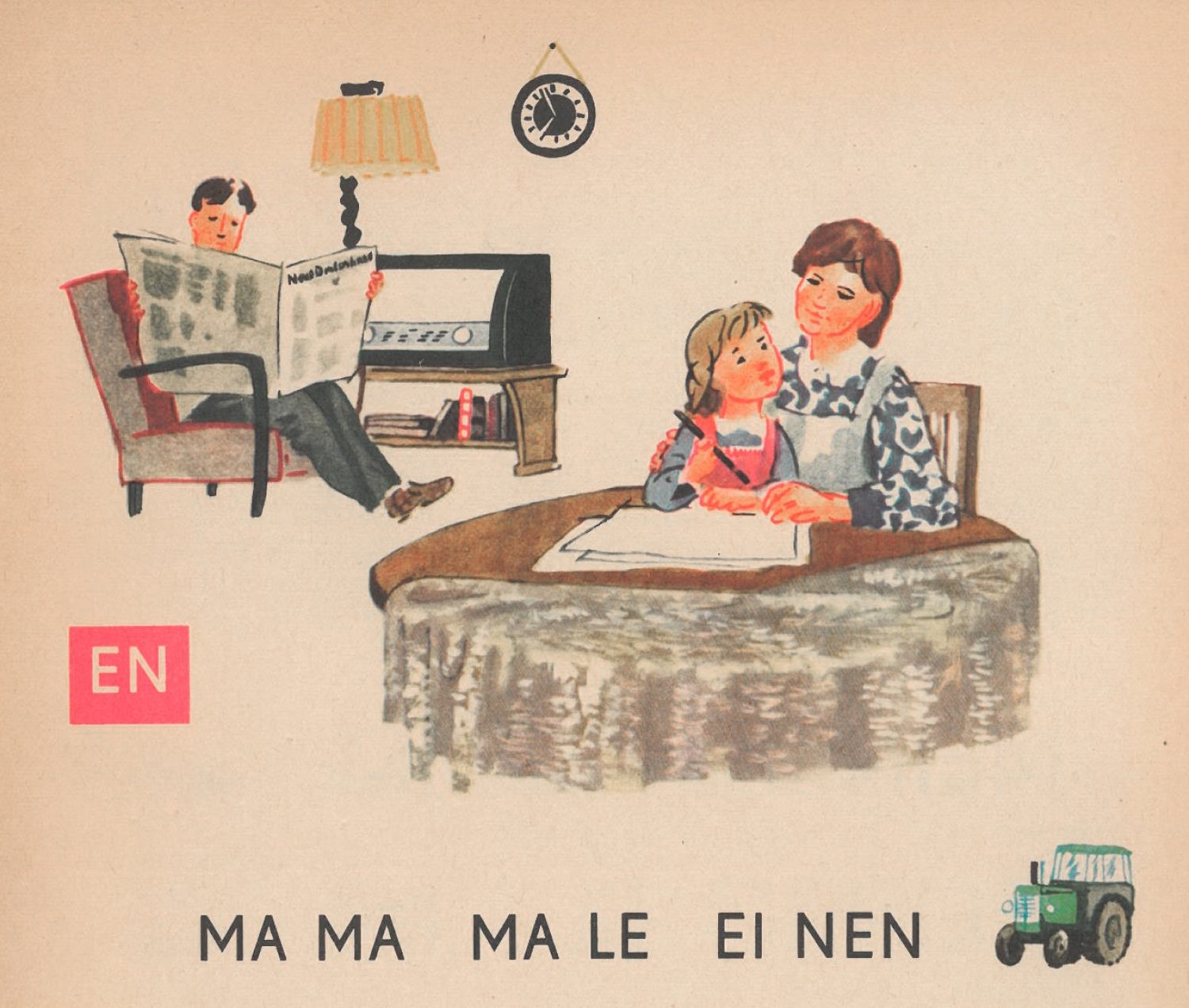
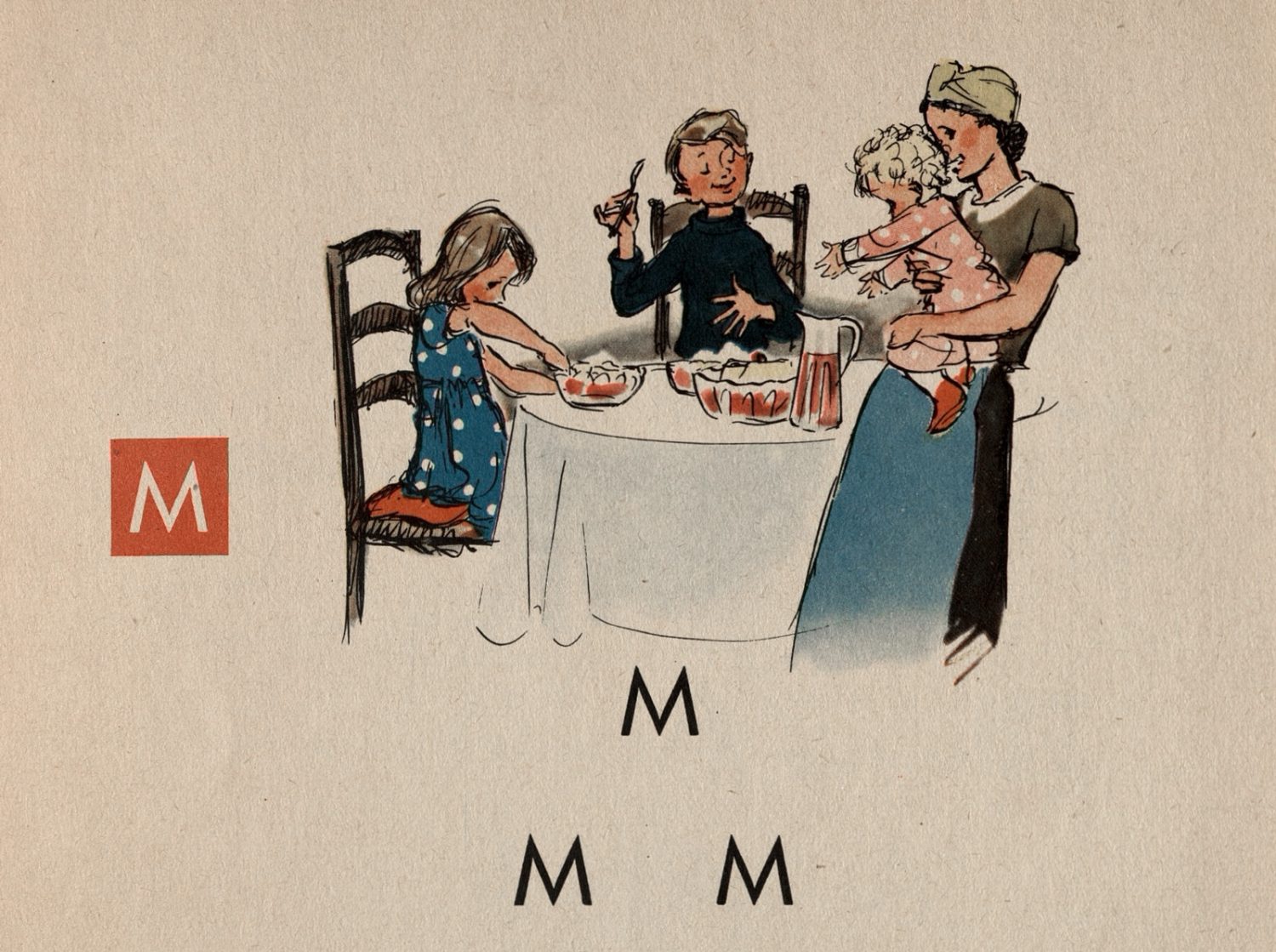
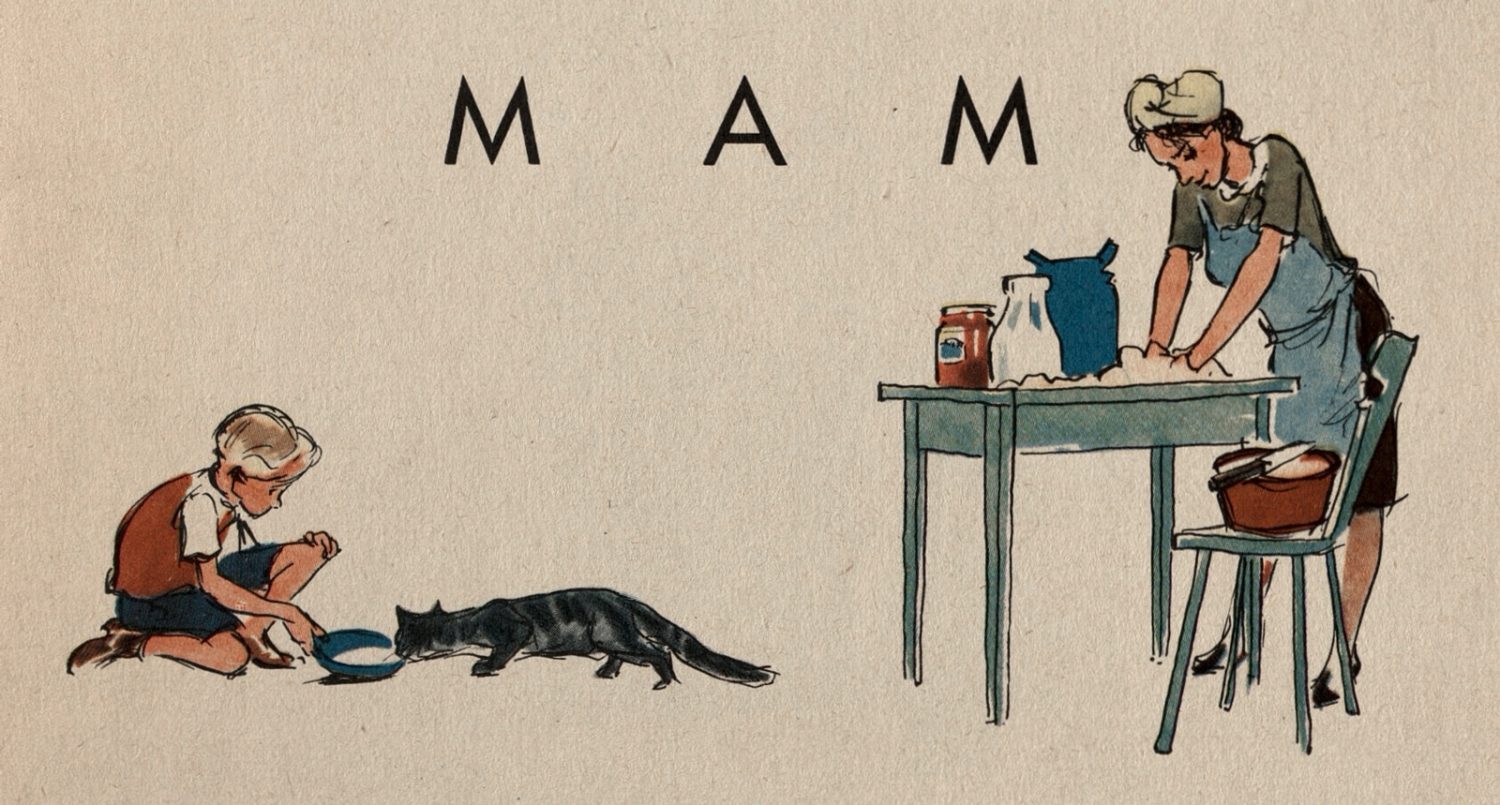
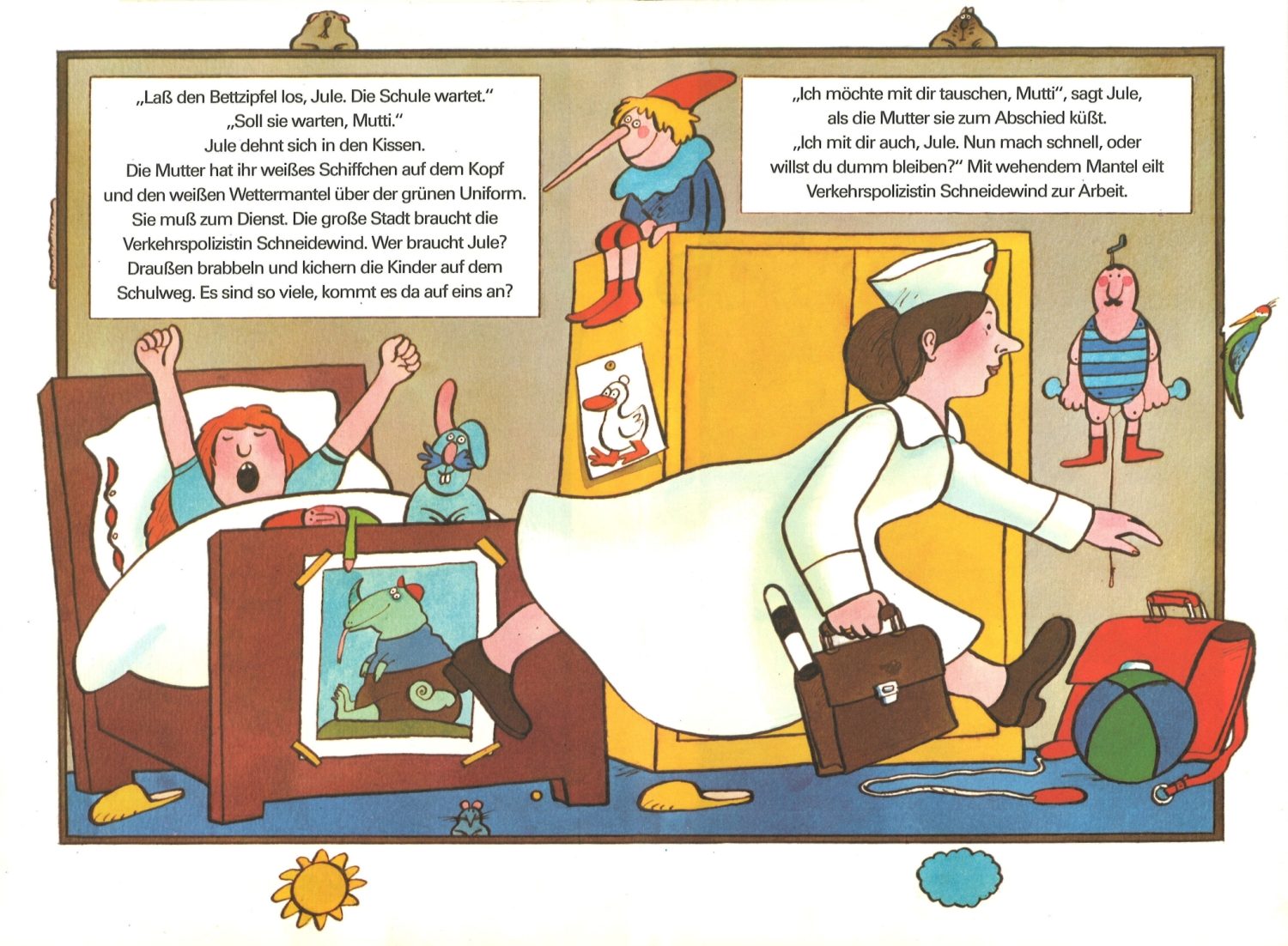
The traditional categorisation of women in terms of their responsibility for reproduction, care and education was therefore not fundamentally questioned within educational media either. A comparison between school textbooks and children's literature showed that school textbooks tended to take up the narrative of equality, while in rare cases children's books also subtly criticised gender relations. To some extent, therefore, they did address a broken promise of equality, which means that equality in education media proves to be a myth in education history.
Another difference between school textbooks and children's literature lay in the relationship between text and image. Images in school textbooks were usually a direct, clear and concrete translation of the text and the relationship between image and text was therefore not very rich. In children's literature, on the other hand, illustrations formed a separate, idiosyncratic narrative level and structure, which allowed for more abstract and open interpretations of the text.
Dual generational relationality and intertwined gender and generational relations
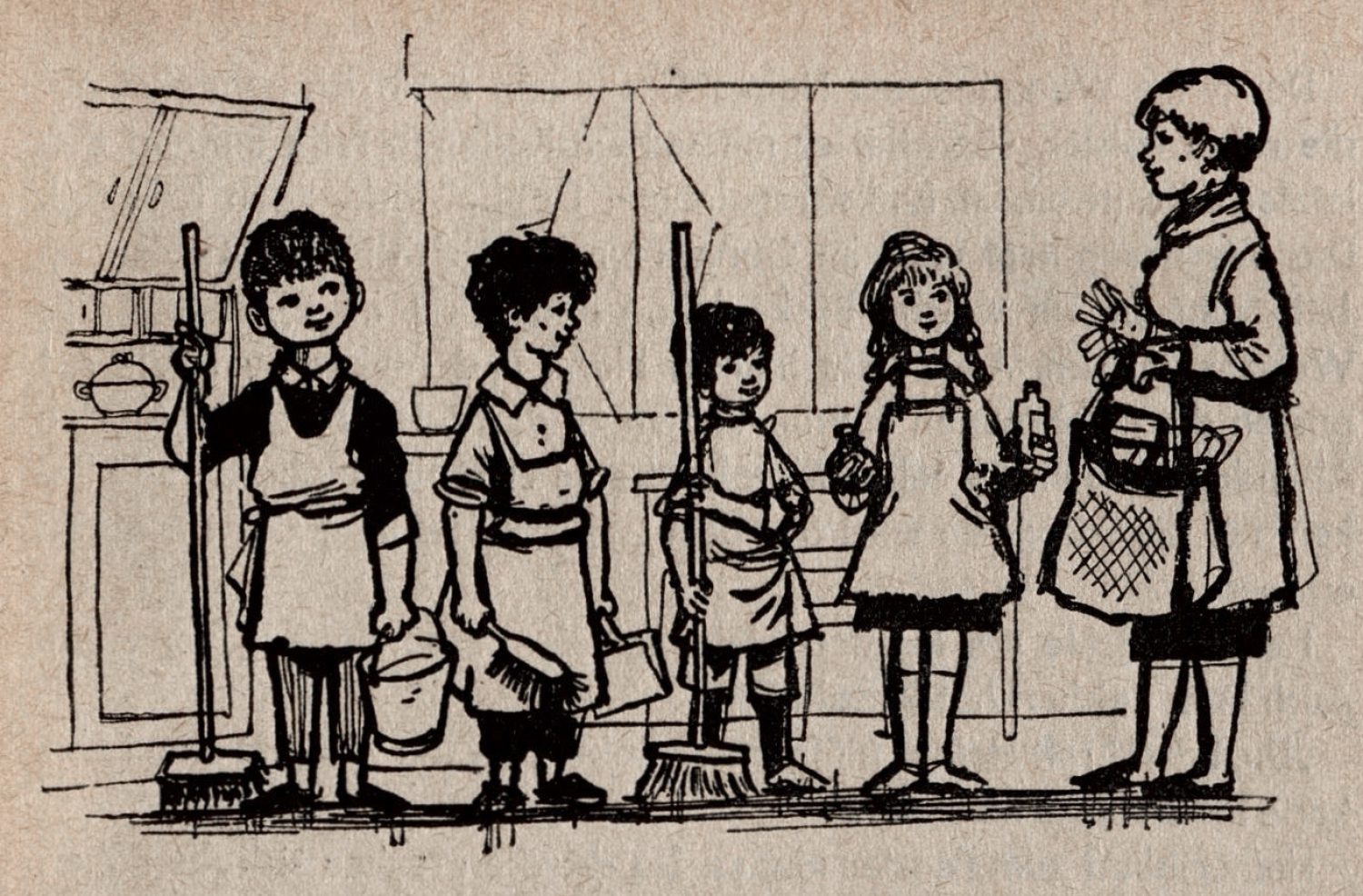
In both forms of educational media, older children and young people were called upon and obliged to help educate younger children in the spirit of socialist ideals. In this way, a dual generational relationality (Baader, Koch, Kroschel, 2021) was constructed that ascribed older children and adolescents responsibility for educating younger people according to the education of the socialist personality (→ comprehensively developed socialist personality). From the perspective of intertwined gender and generational relations (Baader, Koch, Neumann, 2023, → generational relationships) it became apparent that here, too, it was primarily the female children who helped with care work, which points to a mode of education for care work in both the school textbooks and children's literature. The children's service was aimed exclusively at helping their mother. Even though male children were occasionally shown doing housework, there was a tendency for care work to be passed on naturally from one female generation to the next. Only when the image of masculinity changed in the 1980s, did its portrayal in the books begin to shift and fathers were increasingly shown looking after children and taking part in leisure activities, although not doing housework.
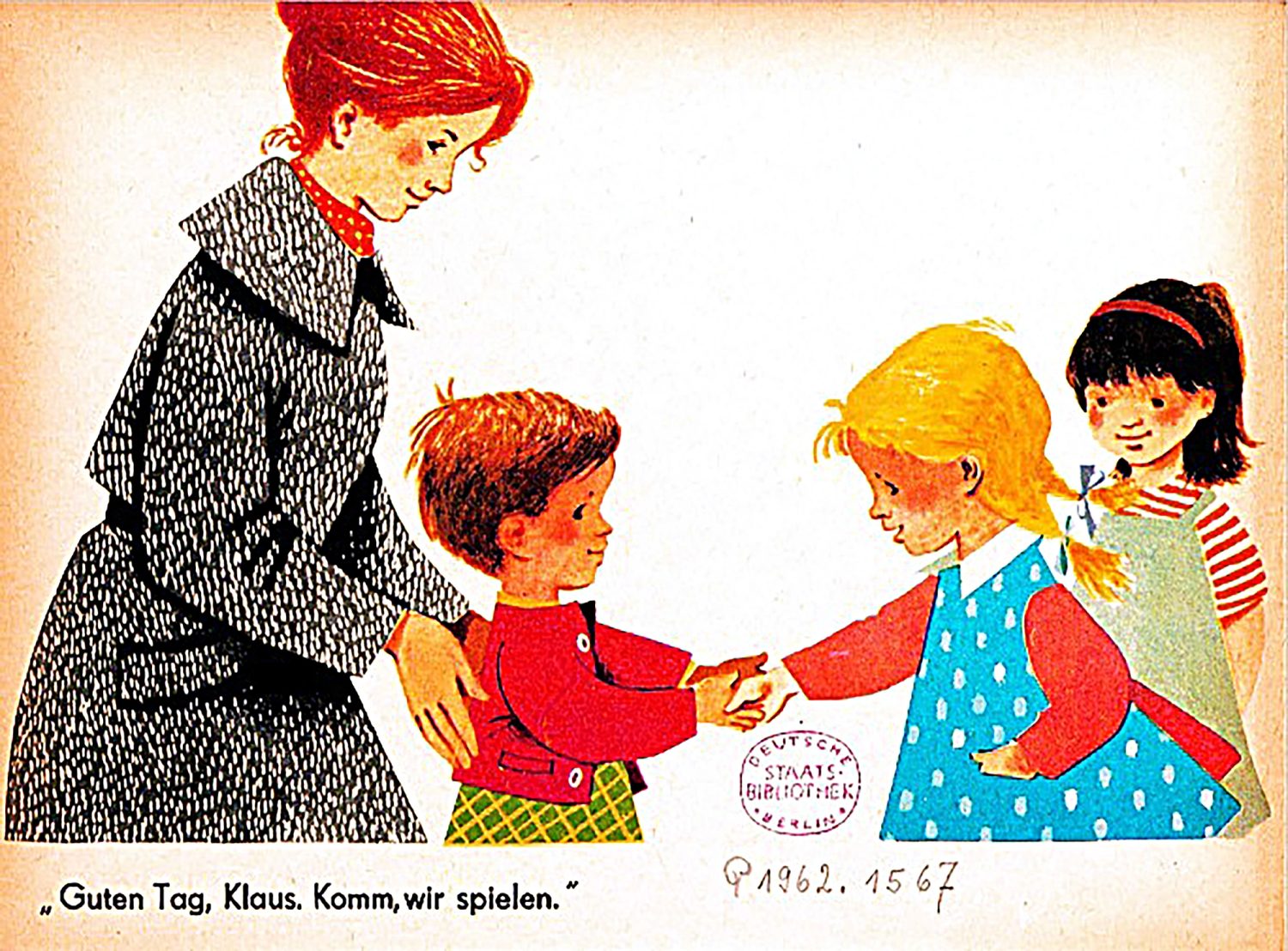
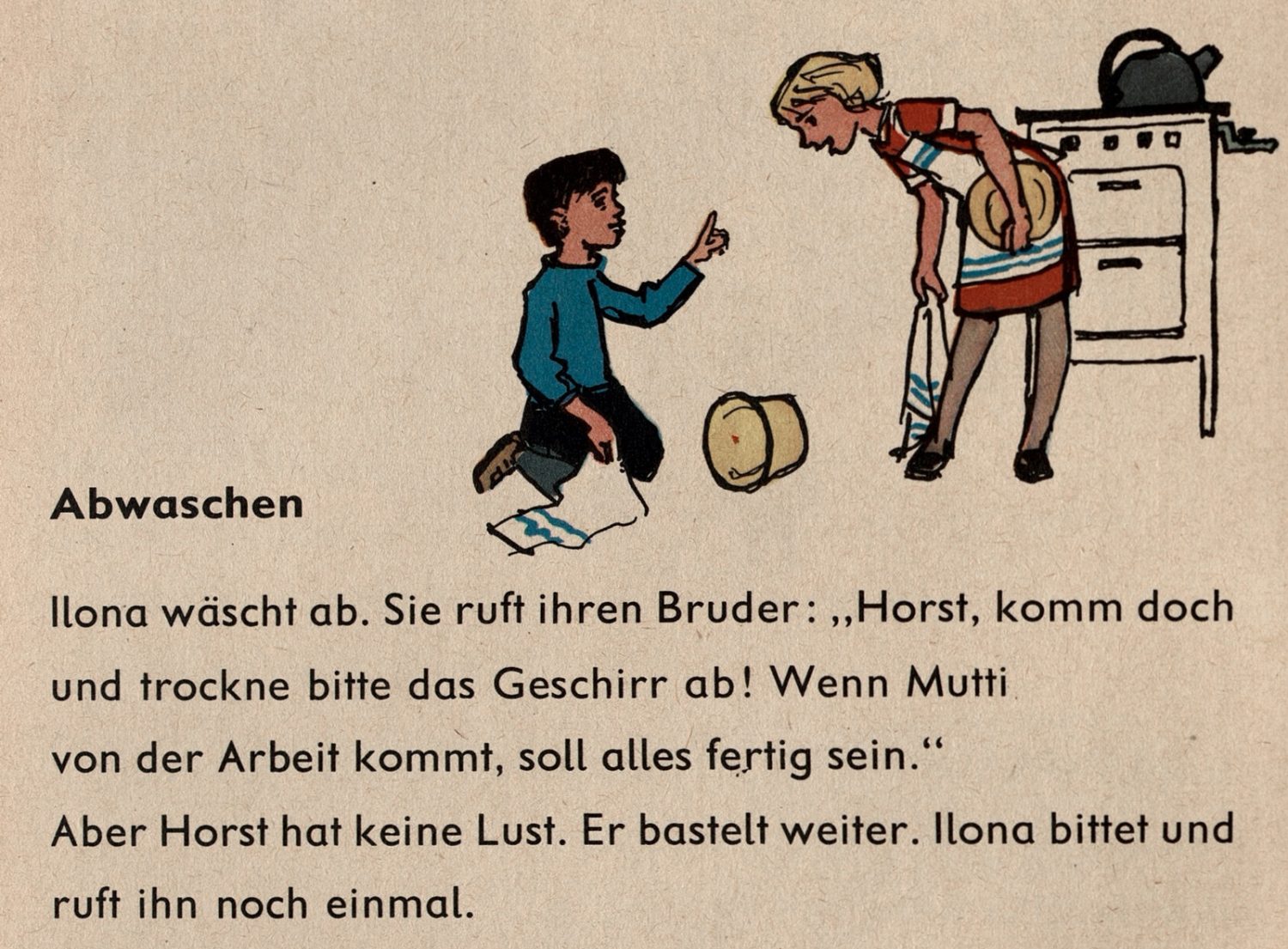
Although gender equality was officially regarded as an important education policy objective in the GDR, on closer inspection it proved to be a myth in education history. More or less subtly portrayed gender inequalities permeated the texts and images in school textbooks and children's literature. In this respect, gender equality was broken by divided equality and a dual generational relationality (→ generational relationships), because women and men as well as girls and boys are not portrayed as equals in educational media, not in stories told nor in the accompanying images. Equality in the GDR is therefore also a myth in educational media, which means that education to become a socialist personality (→ comprehensively developed socialist personality) also proves to be gendered, contrary to what the official rhetoric postulates (Baader, Koch, Neumann, 2023, p. 36). In order to work out these inequalities more precisely and to name them more concretely, it has proven productive both to compare textbooks with children's literature and to analyse the rich relationship between text and image, which could further be used as a scope for criticism of the real conditions of gender relations in the GDR due to the unique nature of the images in children's books.
-
[1]
This does not mean that women are not also depicted as employees of companies, as tram drivers or as crane operators. The difference to the portrayal of men's occupations is that, unlike the occupations of fathers and men, the occupations of mothers are not given any significant importance in the stories told.
-
Baader, M. S./ Koch, S./ Kroschel, F. (2021): Kinder und Jugendliche als Erziehende. Umkämpfte Kindheit und Jugend in Bildungsmedien der DDR. In: Baader, M. S. & Kenkmann, A. (Hrsg.): Jugend im kalten Krieg. Zwischen Vereinnahmung, Interessenvertretung und Eigensinn. Jahrbuch des Archivs der deutschen Jugendbewegung. Göttingen: Vandenhoeck & Ruprecht, S. 159-178.
-
Baader, M. S./ Koch, S./ Neumann, F. (2023): Von Soldaten und Lehrerinnen. Geschlechterverhältnisse in Bildungsmedien der DDR. In: Zeitschrift für Pädagogik, Beiheft 69, S. 21–39.
-
Dölling, I. (1991): Der Mensch und sein Weib. Frauen- und Männerbilder. Geschichtliche Ursprünge und Perspektiven. Berlin: Dietz Verlag.
-
Kaminsky, A. (2016): Frauen in der DDR. Berlin: Ch. Links.
-
Ritter, A. & Ritter, M. (2016): „Mama am Herd“ Zur Inszenierung von Geschlecht und sozialer Rolle in den Fibeln der SBZ/DDR und ihren Nachfolgern. In: Roeder, C./ Josting, P. /Dettmar, U. (Hrsg.): Immer Trouble mit Gender? Genderperspektiven in der Kinder- und Jugendliteratur und -medien(forschung). München: kopaed, S. 79–96.
-
Statistisches Bundesamt (Hrsg.) (1989): Statistisches Jahrbuch 1989 der Bundesrepublik Deutschland. Stuttgart: Metzler-Poeschel.
-
Trappe, H. (1995): Emanzipation oder Zwang. Frauen in der DDR zwischen Beruf, Familie und Sozialpolitik. Berlin: De Gruyter.
-
Verfassung der DDR (1949). (Abruf 16.06.2024: http://www.documentarchiv.de/d...).
-
Winkler, G. (Hrsg.) (1990): Frauenreport ´90. Im Auftrag des Ministerrates für die Gleichstellung von Frauen und Männern, Dr. Marina Beyer. Berlin: Verlag Die Wirtschaft Berlin GmbH.
Works by various illustrators...

Works by various illustrators...

The notion of progress through science created visions of an effective, science and technology-minded schooling.

A central myth within the GDR's socialist conceptions of society was the realisation of an 'education for all' (Bildung für Alle).

The myth of a so-called antifascist founding was part of the GDR's self-image in its use as a system-reinforcing narrative.

Groups such as the class at school or the Young Pioneers (Junge Pioniere) and the FDJ (Freie Deutsche Jugend) played an important role in the GDR as 'collectives'.

Children in the GDR were educated by way of becoming socialist personalities. How do contemporary witnesses describe their GDR childhoods?
