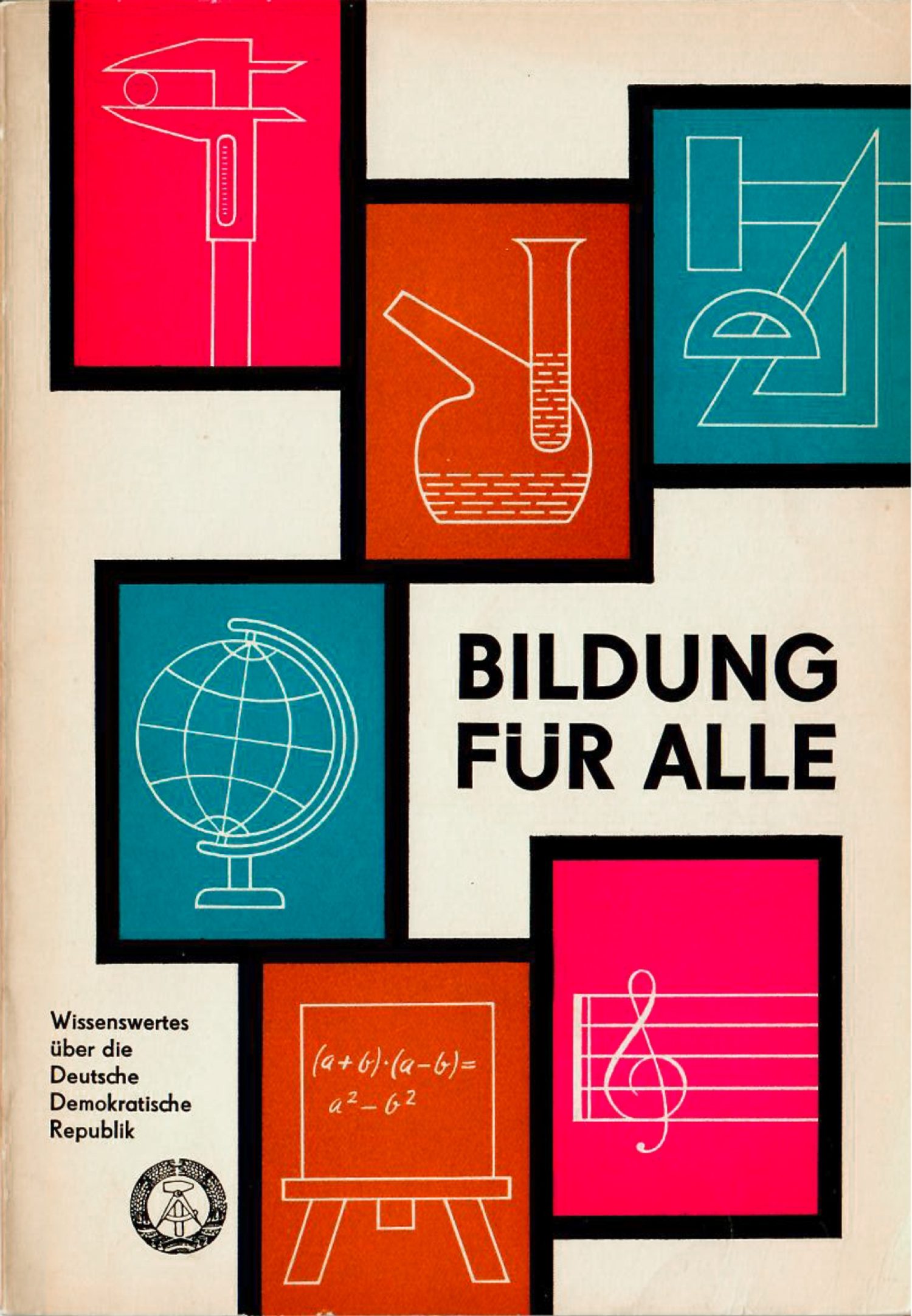
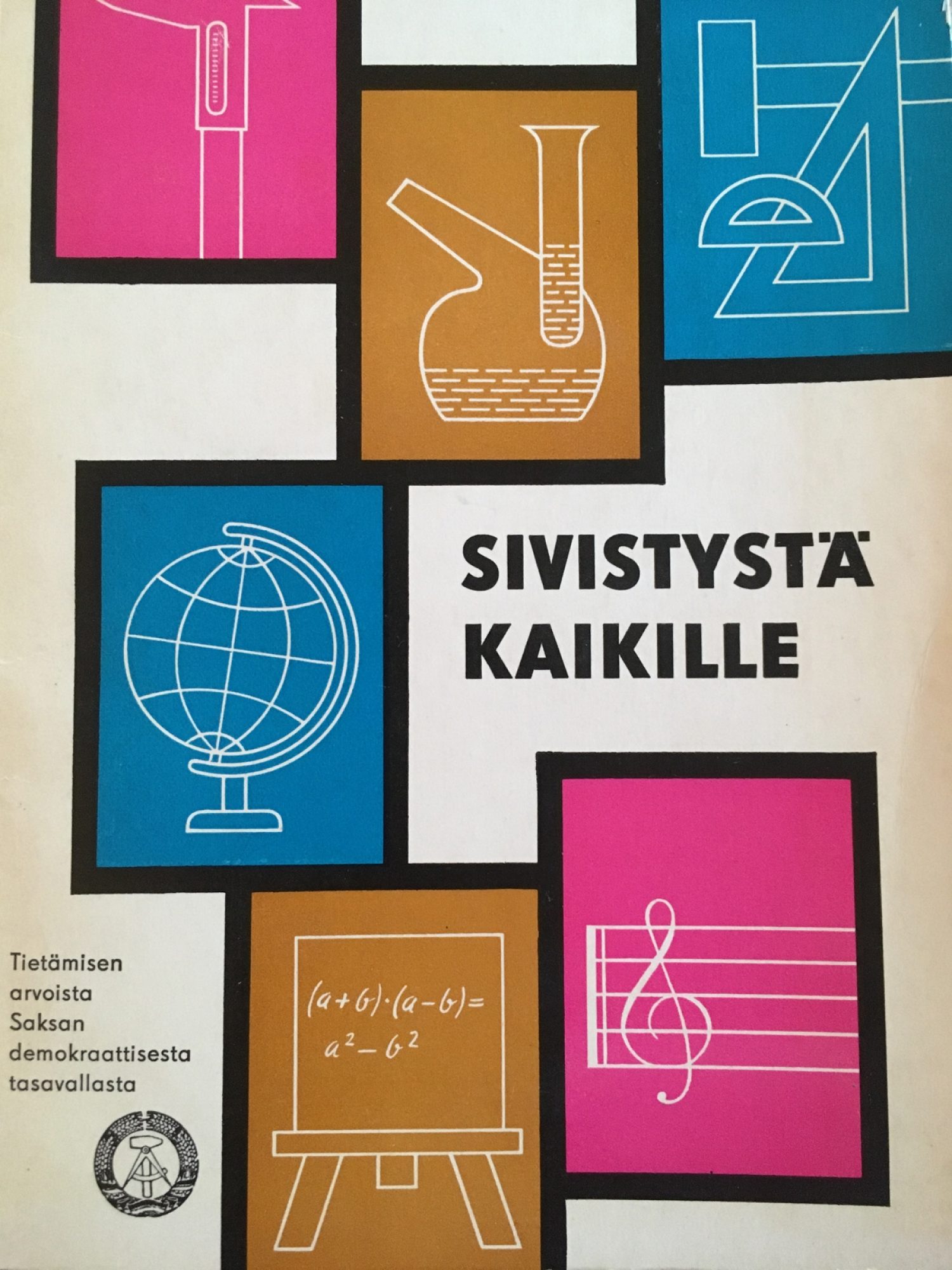
GDR school reforms in 1946, 1959 and 1965 and their implementation were met with lively interest abroad, so that over time the GDR's international cooperations steadily increased (Weiß, 2020). Until the late 1980s, the GDR maintained an extensive program of international cooperations in the fields of education and education policymaking, including with Mozambique, Angola, Ethiopia, Vietnam, Cuba, Egypt and Nicaragua (cf. Miethe & Weiß, 2020). These cooperations took place in various circumstances: social transformation processes, such as the anti-colonial liberation struggle in Mozambique or an anti-dictatorial revolution in Nicaragua, provided just as much opportunity for cooperation, as did a desired reform of education policies in the case of Scandinavian, non-socialist countries (e.g. in Finland). Depending on the common interests, the cooperations were more or less intensive. In the GDR, international exchange on education issues was practiced on the one hand through scientific symposia with selected partner institutes from abroad, as well as through consultation visits by foreign delegations to GDR institutions and to GDR ministries entrusted with tasks in the field of education (cf. Fischer, 1975; Müller, 1995). On the other hand, the GDR also offered short-term training opportunities as well as further subject-specific or political training for cadres, foreign educators and school officials (cf. Burton, 2018; Harisch, 2023; Piepiorka & Buanaissa, 2021). In addition, long-term professionalisation opportunities for people from abroad were organised and provided in the GDR. These ranged from regular school education (cf. Reuter & Scheunpflug, 2006; Timm, 2006), to vocational training (cf. Schenck, 2018), and higher education (cf. Ritschel, 2015). Finally, concrete support was also provided at the local level in partner countries in the form of the provision of teaching and learning materials and the deployment of GDR advisors and teachers (cf. Voß, 2005).
Considering the different political interests of cooperators from Finland, Mozambique and Nicaragua with regard to education policies, the universal dimension of the education for all1 slogan served as a common frame of reference for participating parties. The socialist differentiation of the slogan and its implementation in the GDR were ascribed in a predominantly positive manner to exemplary attributes both by the education policy decisionmakers in partner countries and by GDR leadership itself.
“In the GDR, a young person's educational path was not determined by their wallet and background [...] but by their knowledge and aptitude. For the first time on German soil, the right to education was realised for all. Since labour and peasants exercise power in the GDR, it is necessary that their children be educated with particular care. They are the future bearers of economic, state and cultural life.” (Ausschuss für Deutsche Einheit, 1959, pp. 18–19)
In practice, however, concepts from GDR education policy, such as the people's education system (Volksbildungswesen), as well as the polytechnical secondary school (Polytechnische Oberschule, POS) or the educational goal of developing so called comprehensively developed socialist personalities (MfV, 1965, §1; → comprehensively developed socialist personality) were only partially adopted and realised in concrete projects. The overarching myth of an education for all (→ educational myths) was, however, certainly selectively reinterpreted and perceived by the partner countries and adapted according to respective local needs for education policies.
Education for all in Finland as inspiration for reformist efforts
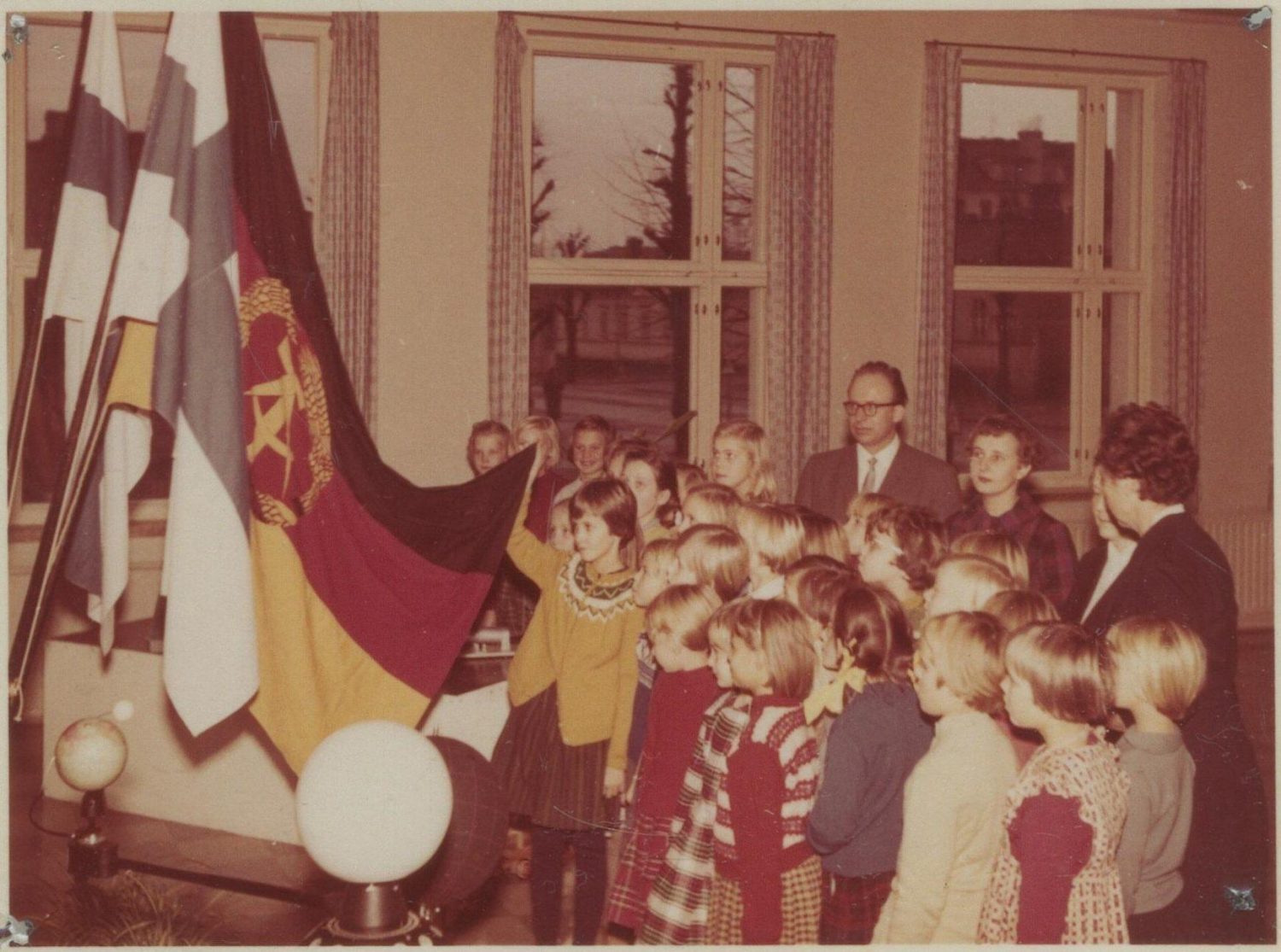
In Finland, before the collapse of the GDR’s socialist state community in 1989/1990, large sections of the Finnish society had an image of the GDR as a German model country which contained the idea of exemplary socialism including an efficient education system for all (Hentilä, 2005). In its bilateral relationship with Finland, the GDR was able to self-mythologise itself as experienced and unreservedly successful in building a comparatively better education system, with the core idea of providing education for all (Weiß, 2020). Through its cooperation with Finland, the GDR transcended the bounds of socialist education (Sozialistische Erziehung) for the first time by receiving validation from non-socialist countries (Griese, 2006). Conversely, Finnish reforms in education in the 1970s were accompanied and assessed in a socialist manner through a multi-dimensional exchange with the GDR. Over the entire period of this unusual cooperation, professional and pedagogical points of contact arose between institutions and individuals in the GDR and Finland (Weiß, 2023), including through the exchange of research results, the testing of GDR teaching materials in Finnish experimentation schools, mutual school visits and teaching observations, as well as in the context of exhibitions on the GDR education system in Finland.
Education for all in Mozambique as an act of anti-colonial liberation

In Mozambique, the striving for an education for all developed out of the country’s anti-colonial struggle, as the education system in the former Portuguese colony was characterised by blatant and racist discrimination against its Black population2 until independence was achieved in 1975 (cf. Mondlane, 1969). The independence movement Mozambique Liberation Front (Frente de Libertação de Moçambique, FRELIMO) had been fighting against Mozambique’s coloniser Portugal since 1964 and was supported ideologically, financially and militarily by solidary partners from all over the world (cf. Gaspar, 2014), including from the GDR and other socialist countries. From 1967 onwards, GDR teachers were sent to FRELIMO schools, which operated underground, offered elementary education for children and organised literacy courses for FRELIMO fighters and the rural population (cf. Roos, 2005; Zawangoni, 2007). During this time, the first FRELIMO maths textbooks (1971; 1972), which were later also adopted by the Portuguese-speaking liberation movements in Angola (MPLA) and Guinea-Bissau (PAIGC), were created in collaboration with the GDR maths teacher Joachim Kindler (cf. Tullner, 2020; Vaz Borges, 2023). The educational achievements of the period of the struggle for independence continued to be commemorated in the People's Republic of Mozambique following the country's independence in 1975 (cf. Gómez, 1999). These achievements were mythologised by the ruling FRELIMO party as an idealistic moment of the liberation struggle, and were incorporated into the national canon of memory (cf. Coelho, 2013; Cabecinhas & Mapera, 2020). In post-colonial Mozambique, the collaboration with teachers from the GDR continued until 1990, and the socialist connotation of an education for all found expression, among other things, in the first Mozambican education law of 1983 (cf. Martini, 1989; Castiano, 1997; Tullner, 2005).
Education for all as a milestone in Nicaragua’s transition to revolution
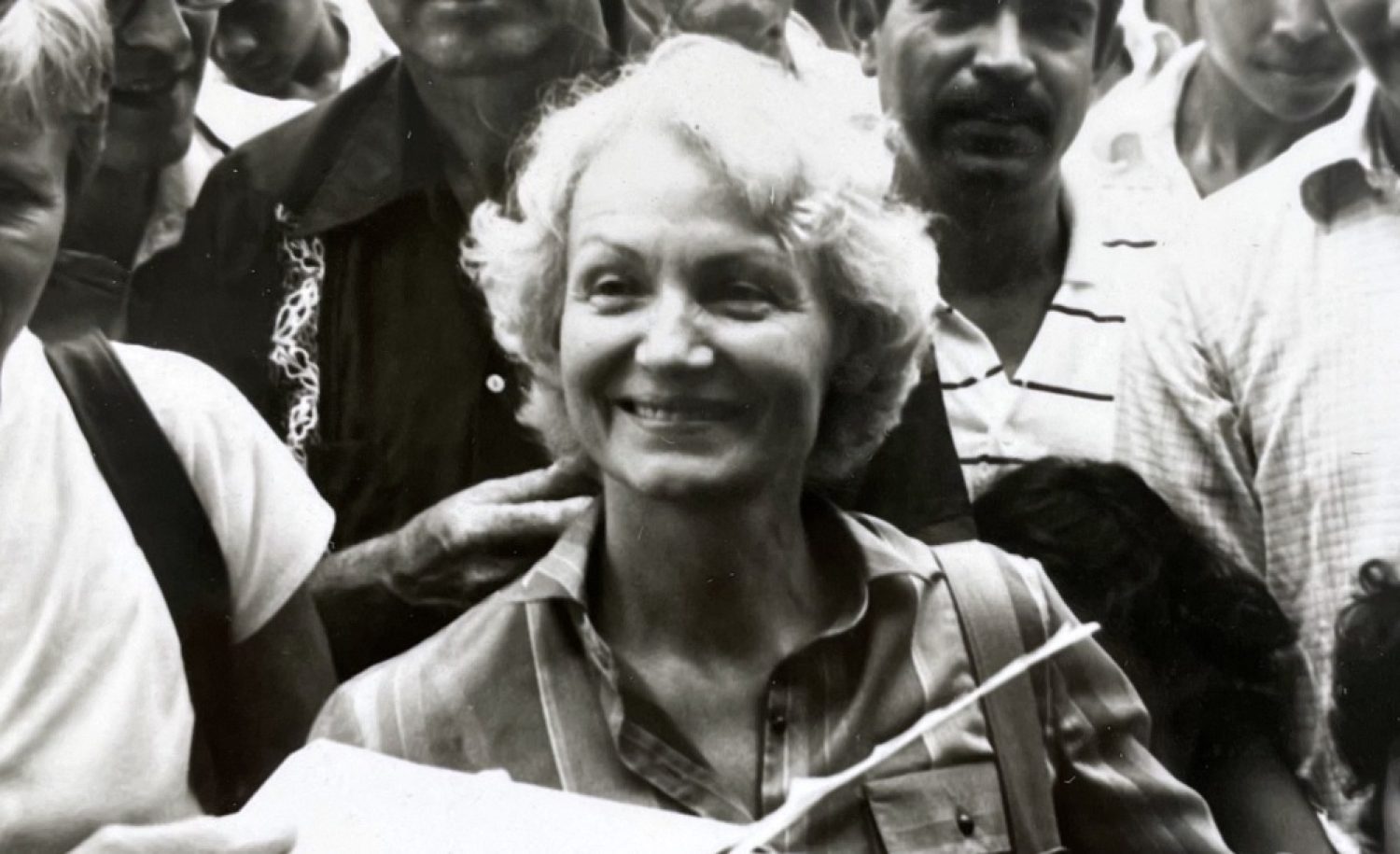
During Nicaragua's revolutionary phase (1979-1990), the GDR proved to be a favoured cooperation partner of the ruling Sandinista National Liberation Front (Frente Sandinista de Liberación Nacional, FSLN) in matters of education. Although thousands of Cuban advisors and teachers were actively involved in the education system and the nationwide literacy campaign of 1980 (cf. Arnove, 1986), the Nicaraguan revolutionaries assessed the people's education system of the highly industrialised GDR more positively in direct comparison with Cuba. Conversely, the SED leadership also decided to provide Nicaragua with extensive support for developing education policies (cf. Caruso & Kliche, 2023), although the eclectic interpretation of Marxism and the influences of liberation theology within the FSLN were initially criticised on the GDR side as “extraordinarily confusing” (cf. Winkelmann, 1979, p. 5) in terms of ideology. Nevertheless, the GDR organised a wide range of solidarity activities for Nicaragua, including the printing of the first edition of the nationwide reading books "Los Carlitos" (cf. Harzer & Volks, 2008) and the construction of a fully equipped polytechnical training centre by Free German Youth (FDJ) brigades (cf. Senger, 2018; (→ polytechnical secondary school; → polytechnical schooling). In addition to a literacy campaign, the GDR's non-material aid in the form of free knowledge transfer and the training of thousands of students, trainee teachers and school administrators in the GDR played an important role in the implementation of education for all in Nicaragua.
The collaborations in the field of international cooperation in education, examined here, made clear how the myth of a realised ‘education for all’ circulated in the transnational space (→ transnational interdependencies), specifically between the GDR and its partner countries Finland, Mozambique and Nicaragua, and thus rubbed off onto existing notions of the education system of the GDR (→ the people's education system), idealising it to a certain extent. In the GDR’s partner countries, however, the interpretations of the ‘education for all’ myth, as well as its implementation remained characterised by local historical and socio-economic contexts. The adoption of selected concepts from GDR education and education policies by the partner countries was typically informed by a combination of pedagogical interest and political-ideological suitability, as partners refrained from completely copying the GDR education system.
As part of its international cultural diplomacy, the GDR was obviously endeavouring to present and propagate the superiority of its socialist model of education, in which ‘education for all’ was considered to be largely realised. At the same time, this favourable reflection of the GDR’s educational achievements was disseminated back home to the GDR public, again emphasising the international recognition of the GDR's education system, for example through press reports or solidarity campaigns. Ultimately, the GDR's international commitment to ‘education for all’ – reinterpreted locally in each case – had the potential to create a sense of transnational identification, which contributed to self-assurance in the GDR's own public sphere. The positive reference to the ideal of an ‘education for all’ fostered the GDR’s international recognition and, concomitantly, appeared to be capable of eliciting consensus even across socialist system boundaries.
-
[1]
The promise of a high level of general education for all children of the people was formalised in the Law on the Unified Socialist Education System of 25 February 1965. According to §2 of this law, the Socialist state guarantees all citizens of the German Democratic Republic (Deutsche Demokratische Republik, GDR) the same right to education (ibid.). For a critical analysis of the implementation of this promise in the GDR, see, for example, Solga (1996) and Miethe (2007). The wording can be traced back to Comenius's educational ideal of the 16th century, 'to teach everyone everything completely', and was subsequently inscribed in German educational history in the form of the idea of a unified school in the bourgeois educational modernity of the 19th century. (cf. Weiß, 2023a; Geißler & Wiegmann, 1995).
-
[2]
The word "Black" is capitalised here to highlight its racializing connotation within the colonial system. In the Portuguese colonial empire, categories such as indigenous, mixed, assimilated, or civilised were used to classify and hierarchise the population based on physical characteristics, cultural affiliation, and socio-economic status. Educational opportunities within this hierarchy were primarily reserved for white, Portuguese-descended individuals in Mozambique, while participation in education for individuals who were Black, Indigenous, and People of Colour (BiPoC) was almost entirely obstructed (cf. Mondlane, 1969; see also https://glossar.neuemedienmach... or https://www.amnesty.de/glossar...).
-
Arnove, R. F. (1986): Education and Revolution in Nicaragua. New York, Westport, London: Praeger.
-
Ausschuss für deutsche Einheit (Hrsg.) (1959): Bildung für Alle. Berlin: Ders.
-
Burton, E. (2018): Introduction: Journeys of Education and Struggle: African Mobility in Times of Decolonization and the Cold War. In: Stichproben. Journal of African Studies 34, S. 1–17.
-
Cabecinhas, R. & Mapera, M. (2020): Decolonising images? The liberation script in Mozambican history textbooks. In: Yesterday & Today 24, S. 1–27. (Abruf 24.05.2024: https://repository.nwu.ac.za/h...).
-
Caruso, M. & Kliche, L. (2023): Mythos der Etappe: Der Weg zum Sozialismus, Schulpolitik und die Nicaragua-Kuba-DDR-Beziehungen (1979–1985). In: Zeitschrift für Pädagogik, Beiheft 69, S. 163–181.
-
Castiano, J. P. (1997): Das Bildungssystem in Mosambik (1974–1996): Entwicklung, Probleme und Konsequenzen (Diss.). Hamburg: Universität der Bundeswehr.
-
Coelho, J. P. B. (2013): Politics and Contemporary History in Mozambique: A Set of Epistemological Notes. In: Kronos 39, S. 20–31.
-
Fischer, H.-J. (1975): Internationale pädagogische Beziehungen und pädagogische Auslandsarbeit der DDR. Paderborn: Schöningh.
-
FRELIMO & Kindler, J. (1971): Matemática para a 1a classe da Escola Primária. Edição da Conferência das Organizações Nacionalistas das Colónias Portuguesas (CONCP). Erfurt: Fortschritt.
-
FRELIMO & Kindler, J. (1972): Matemática para a 2a classe da Escola Primária. Edição da Conferência das Organizações Nacionalistas das Colónias Portuguesas (CONCP). Berlin (DDR): Nationales Druckhaus.
-
Gaspar, A. da Costa. (2014): Frente Diplomática. In: História da Luta de Libertação 1, S. 87–188. Maputo: Ministério dos Combatentes, Direcção Nacional de História.
-
Gesetz über das einheitliche sozialistische Bildungssystem (1965). (Abruf 22.04.2024: https://ghdi.ghi-dc.org/sub_do...).
-
Gómez, M. B. (1999): Educação Moçambicana. História de um Processo: 1962-1984. Maputo: Livraria Universitária.
-
Griese, O. (2006): Auswärtige Kulturpolitik und Kalter Krieg: die Konkurrenz von Bundesrepublik und DDR in Finnland 1949–1973. Wiesbaden: Harrassowitz.
-
Harisch, I. R. (2023): Gewerkschaftshochschulen als Wissenszentren. Ein Fokus auf afrikanische Kursteilnehmer*innen als (Ko-)Produzent*innen von Wissen während der 1960er-Jahre des Kalten Krieges. In: Österreichische Zeitschrift für Geschichtswissenschaften 34, 3, S. 101–17.
-
Harzer, E. & Volks, W. (Hrsg.) (2008): Aufbruch nach Nicaragua. Deutsch-deutsche Solidarität im Systemwettstreit. Berlin: Ch. Links.
-
Hentilä, S. (2005): „Der Einfluss der DDR auf Finnland“. Vortrag am 16. Juni 2005 um 18 Uhr in der Stiftung Archiv der Parteien und Massenorganisationen der DDR im Bundesarchiv. (Abruf 15.06.2024: https://blogs.helsinki.fi/shen...).
-
Lambrecht, W. (2009): Von Finnland lernen, heißt von der DDR lernen? In: Großbölting, T. (Hrsg.): Friedensstaat, Leseland, Sportnation? DDR-Legenden auf dem Prüfstand. Bonn: Links, S. 289–303.
-
Martini, R. (1989): Entwicklung, Gestaltung und Wirkung von FRELIMO-Schulen in unterschiedlichen Entwicklungsetappen der moçambiquischen Befreiungsrevolution (Diss. A). Berlin: Akademie der Pädagogischen Wissenschaften der DDR.
-
Miethe, I. (2007): Bildung und soziale Ungleichheit in der DDR. Möglichkeiten und Grenzen einer gegenprivilegierenden Bildungspolitik. Opladen/Farmington Hills: Barbara Budrich.
-
Miethe, I. & Weiß, J. (Hrsg.) (2020): Socialist Educational Cooperation and the Global South. Berlin: Lang.
-
Mondlane, E. (1969): The Struggle for Mozambique. Harmondsworth: Penguin Books.
-
Müller, H. M. (1995): Die Bildungshilfe der Deutschen Demokratischen Republik. Frankfurt a.M.: Lang.
-
Piepiorka, A. & Buanaissa, E. F. (2021): A (post-)socialist memory space? East German and Mozambican memories of cooperation in education. In: Burton, E./ Dietrich, A./ Harisch, I./ Schenck, M. C. (Hrsg.): Socialist Encounters: Relations, Transfers and Exchanges between Africa and East Germany. Berlin/Boston: De Gruyter, S. 351–386.
-
Reuter, L. R. & Scheunpflug, A. (2006): Die Schule der Freundschaft: Eine Fallstudie zur Bildungszusammenarbeit zwischen der DDR und Mosambik. Münster: Waxmann.
-
Ritschel, S. (2015): Kubanische Studierende in der DDR: Ambivalentes Erinnern zwischen Zeitzeuge und Archiv. Hildesheim: Georg Olms.
-
Roos, H.-J. (2005): Unterrichten unter Palmen. Als Biologielehrer an der FRELIMO-Schule in Bagamoyo“. In: Voß, M. (Hrsg.): Wir haben Spuren hinterlassen! Die DDR in Mosambik. Erlebnisse, Erfahrungen und Erkenntnisse aus drei Jahrzehnten. Münster: Lit Verlag, S. 407–425.
-
Schenck, M. C. (2018): A Chronology of Nostalgia: Memories of Former Angolan and Mozambican Worker Trainees to East Germany. In: Labor History 59, S. 352–374.
-
Senger, S. (2018): Getrennte Solidarität? West- und ostdeutsches Engagement für Nicaragua Sandinista in den 1980er Jahren. In: Bösch, F./ Moine, C./ Senger, S. (Hrsg.): Internationale Solidarität. Globales Engagement in der Bundesrepublik und der DDR. Göttingen: Wallstein, S. 64–92.
-
Solga, H. (1996): Klassenlagen und soziale Ungleichheit in der DDR. In: Aus Politik und Zeitgeschichte 46, S. 18–27.
-
Timm, S. (2007): Parteiliche Bildungszusammenarbeit: Das Kinderheim Bellin für namibische Flüchtlingskinder in der DDR. Münster: Waxmann.
-
Tullner, M. (2005): Die Zusammenarbeit der DDR und Mosambiks auf dem Gebiet der Bildung und die Tätigkeit der Bildungsexperten der DDR in Mosambik. In: Voß, M. (Hrsg.): Wir haben Spuren hinterlassen! Die DDR in Mosambik. Erlebnisse, Erfahrungen und Erkenntnisse aus drei Jahrzehnten. Münster: Lit Verlag, S. 388–406.
-
Tullner, M. (2020): Der Magdeburger Lehrer Joachim Kindler und der Beginn der Zusammenarbeit der DDR mit Mosambik. In: Neumann-Becker, B. & Döring, H.-J. (Hrsg.): Für Respekt und Anerkennung. Die mosambikanischen Vertragsarbeiter und das schwierige Erbe aus der DDR. Halle (Saale): Mitteldeutscher Verlag, S. 145–155.
-
Vaz Borges, S. (2023): Teaching Math as a Narrative of Solidarity. GDR Educational Cooperation and Unforeseen Collaborations in the FRELIMO Mozambican Math Textbooks (1971–1975). In: Zeitschrift für Pädagogik, Beiheft 69, S. 145–162.
-
Voß, M. (Hrsg.) (2005): Wir haben Spuren hinterlassen! Die DDR in Mosambik. Erlebnisse, Erfahrungen und Erkenntnisse aus drei Jahrzehnten. Münster: Lit Verlag.
-
Weiß, J. (2020): Decolonization and Difference in the Context of the German Democratic Republic’s Educational Co-operation Programs. In: Caruso, M. & Maul, D. (Hrsg.): Decolonization(s) and Education. New Polities and New Men. Berlin: Lang, S. 211–231.
-
Weiß, J. (2023): 30 Jahre Freundschaft, Partnerschaft und Austausch: Die verflochtene Mythologisierung der Bildungskooperation von Finnland und der DDR. In: Zeitschrift für Pädagogik, Beiheft 69, S. 127–144.
-
Winkelmann, E. (1979): Information für das Politbüro des ZK der SED. Zur gegenwärtigen Situation in Nikaragua (21.06.1979). Bundesarchiv, BArch, SED, DY 30, 11571, Band 1.
-
Zawangoni, S. A. (2007): A FRELIMO e a Formação do Homem Novo (1964–1974 e 1975–1982). Maputo: CIEDIMA.
Brochures were created for foreign information...

Excerpts from Portuguese-language textbooks

The notion of progress through science created visions of an effective, science and technology-minded schooling.

The narrative of gender equality was an important element of the state’s self-image in the GDR and the promises of socialism.

The myth of a so-called antifascist founding was part of the GDR's self-image in its use as a system-reinforcing narrative.

Groups such as the class at school or the Young Pioneers (Junge Pioniere) and the FDJ (Freie Deutsche Jugend) played an important role in the GDR as 'collectives'.

Children in the GDR were educated by way of becoming socialist personalities. How do contemporary witnesses describe their GDR childhoods?
