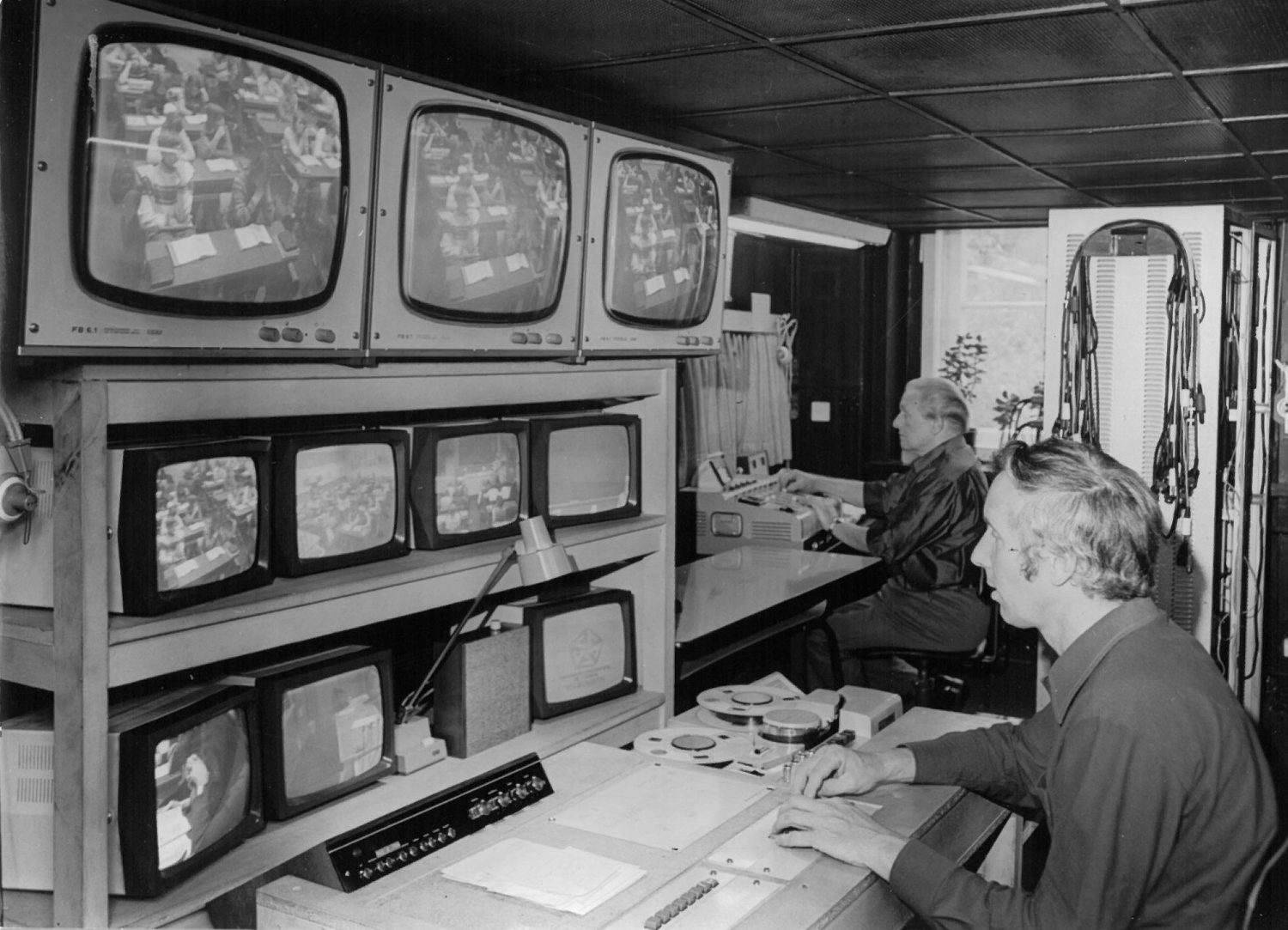
In the course of the 19th century, science had become a special and distinguished form of accumulating a knowledge deemed to be true and objective about nature and ultimately also society. It therefore played a central role in the development of the 'modern' school, the formation of subjects, orders of school knowledge and teaching cultures, the basic features of which still exist today (cf. Caruso & Reh, 2021, p. 255). At the same time, science also became characterised by a strong national charge, became a German science (cf. Kolkenbrock-Netz, 1991) and when applied to technical developments, ultimately became a guarantee of social progress. The educational myth (→ educational myths) of "progress through science" developed particularly in the debates surrounding the teaching of natural science and its significance in the second half of the 19th century, in which the legitimisation of knowledge, forms of knowledge and practices to be taught at secondary schools was increasingly based on their scientific claims. In the Marxist-Leninist (→ Marxism-Leninism) thinking of the GDR with its "belief in science and technology" (cf. Ash, 1997, p. 2), the myth was taken up again and gave rise to images of teaching that oriented towards the use of technology, as well as effective and scientifically inclined - meaning it was geared towards facts and systematic-thinking – employing modern, purposefully used teaching media – especially when it came to the use of educational films in science lessons.
-
Ash, T. G. (1997): Wissenschaft, Politik und Modernität in der DDR – Ansätze zu einer Neubetrachtung. In: Weisemann,K./ Kröner, P./ Toellner, R. (Hrsg.): Wissenschaft und Politik – Genetik und Humangenetik in der DDR (1949 – 1989). Münster: LIT, S. 1–25.
-
Caruso, M. & Reh, S. (2021): Unterricht. In: Kluchert, G./ Horn, K.-P./ Groppe, C./ Caruso, M. (Hrsg.): Historische Bildungsforschung. Konzepte – Methoden – Forschungsfelder. Bad Heilbrunn: Klinkhardt, S. 255–266.
-
Kolkenbrock-Netz, J. (1991): Wissenschaft als nationaler Mythos. Anmerkungen zur Haeckel-Virchow-Kontroverse auf der 50. Jahresversammlung der deutschen Naturforscher und Ärzte in München (1877). In: Link, J. & Wülfing, W. (Hrsg.): Nationale Mythen und Symbole in der zweiten Hälfte des 19. Jahrhunderts. Strukturen und Funktionen von Konzepten nationaler Identität. Stuttgart: Klett-Cotta, S. 212–236.
Myths In the GDR’s scientific education films, politically impactful images were conveyed at the same time as specialist knowledge.
Myths The scientific rigour of subject teachingMyths The idea of progress being achievable through scientific advancement gave rise to images of a technology-oriented, efficient, and scientifically driven form of teaching.
Myths