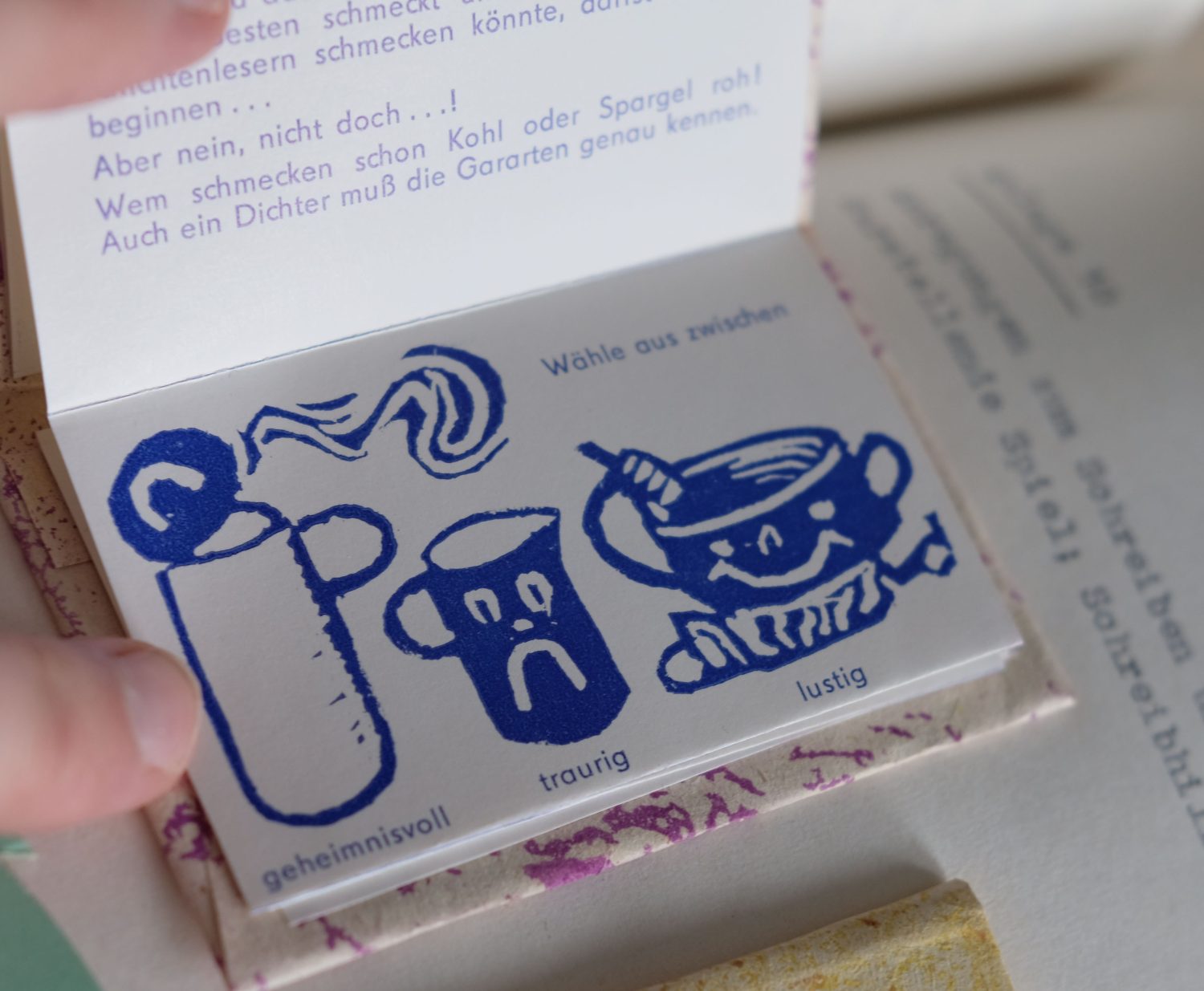
As early as the 1950s, pedagogical lectures were established in the GDR, initiated by education policy, as an institutionalised form of systematic exchange of experiences between educators in all areas of the GDR education system (kindergarten, general education schools, special needs schools, vocational schools, extracurricular education; → the people's education system). The aim was firstly to present, analyse and justify educational practices as well as to describe new methods in the form of a written account of their own experiences and innovative suggestions for lesson planning. Secondly, generalisations were to be derived from these best practice accounts that could provide other educators with suggestions and tips for their own educational work. However, the concept of pedagogical lectures does not only refer to written recordings of experiences, but forms a system of records and a comprehensive program for continuing education for educators in the form of the presentations (lectures) of selected records at small to large-scale events at regional and national level with the aim of ensuring systematic and centralised continuing education for all educators (Central Days for Pedagogical Lectures, Zentraltage der Pädagogischen Lesungen).1 The development and popularisation of pedagogical lectures was given enormous importance in terms of expertise and education policy.
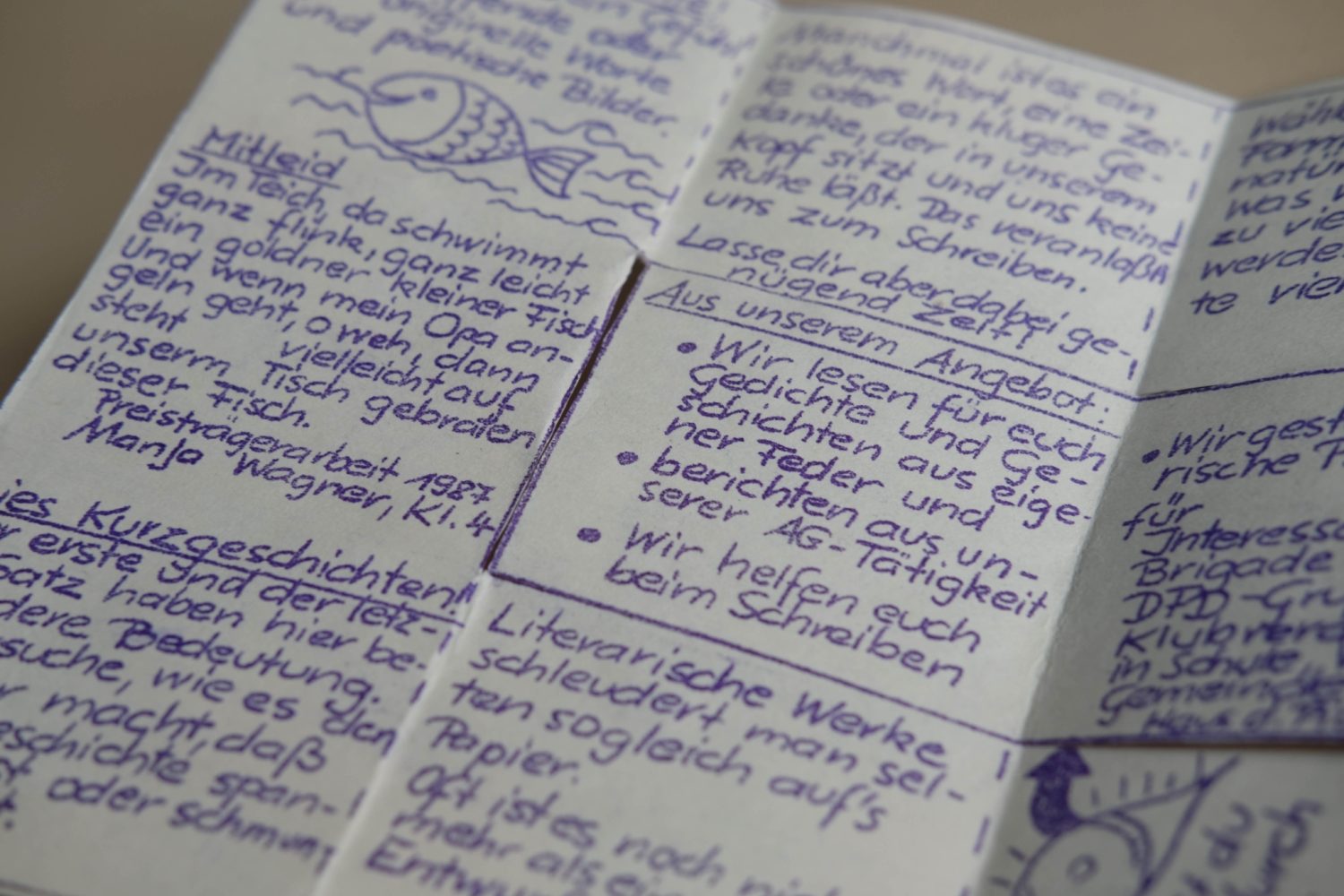
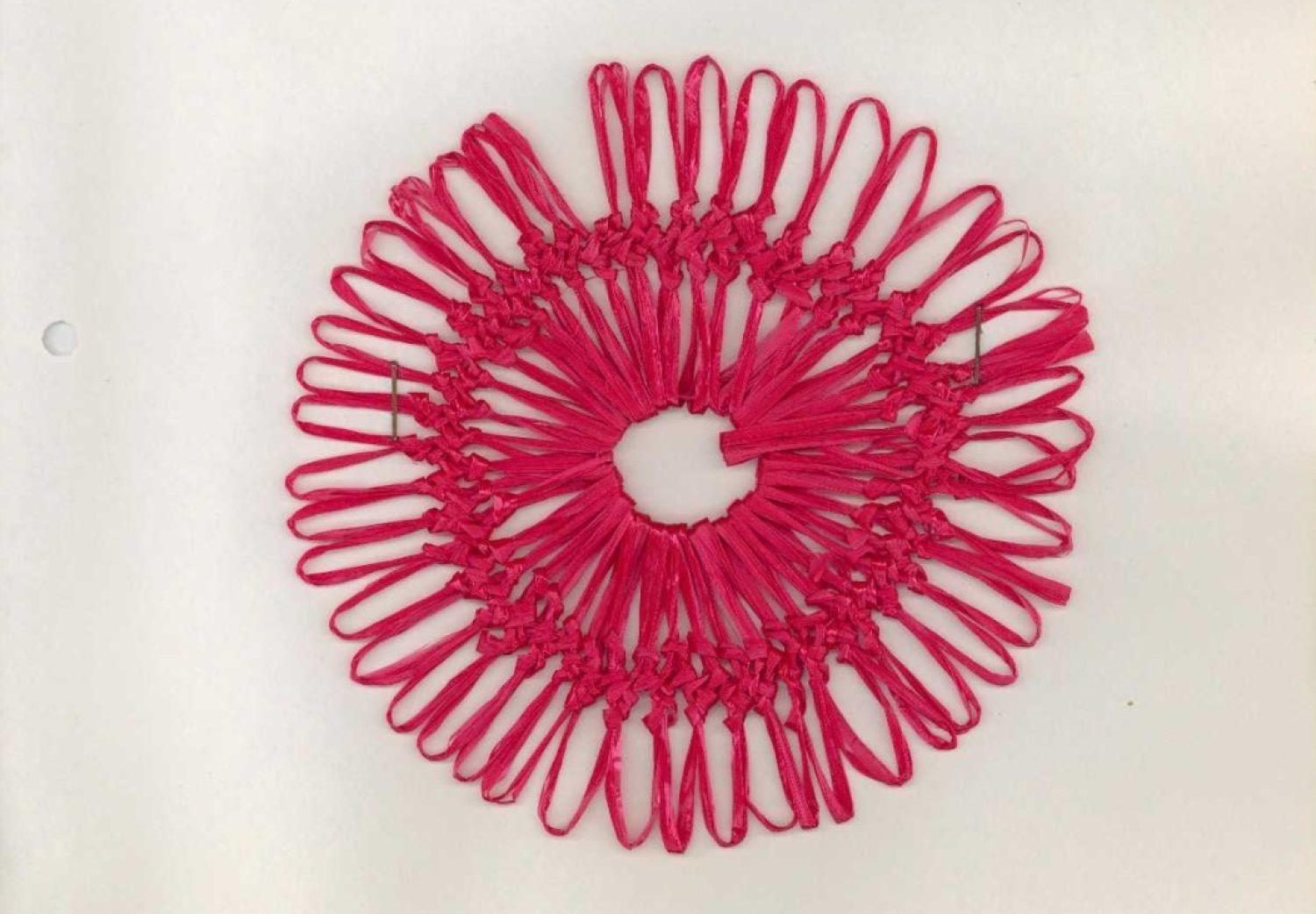
The handed-down corpus of readings includes topics from a wide variety of educational and didactic topics: school subjects and their didactics and methodology (→ subject teaching methodologies) were discussed, as well as general educational and psychological questions (e. g. on motivation, learning disorders, behavioural problems, pre-school education, → pedagogical psychology). The texts are usually 30 to 50 pages long. Many include extensive appendices in which self-designed teaching materials, pictures or slides and, in some cases, evaluations of self-collected statistical data as well as some audio recordings can be found.
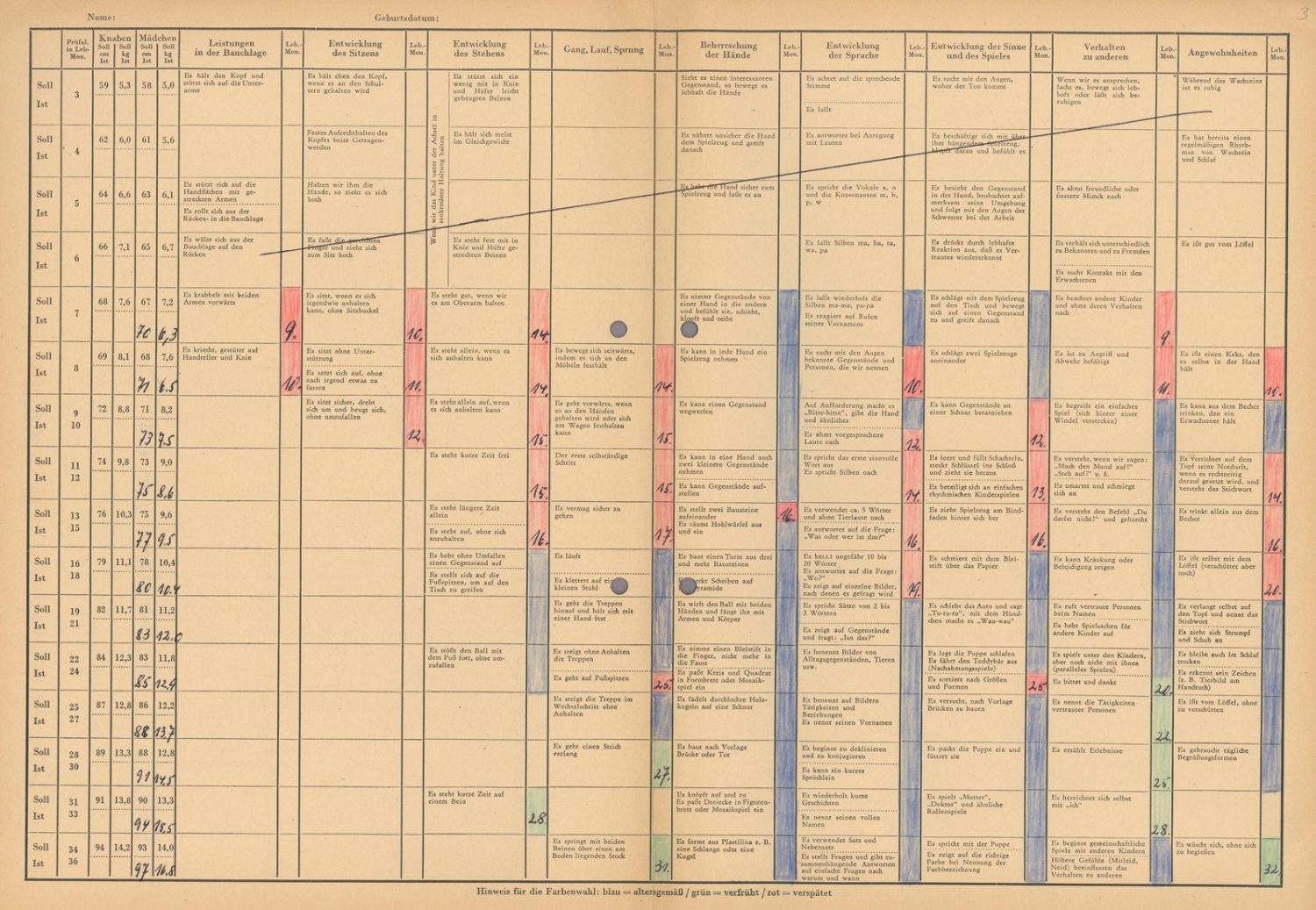
In employing subject-specificity and formal science, the pedagogical lectures were intended to reach the level of academic work. In their preparation, great emphasis was therefore placed on the theoretical basis of practical derivations, on reception and citation of (specialised) literature and on presentation of theses. The lectures are unique historical sources that span almost the entire period of the GDR's existence, from 1955 to 1989. From 1961 to 1989, around 9,500 lectures were collected in the Pedagogical Central Library at the House of the Teacher Berlin (Pädagogische Zentralbibliothek im Haus des Lehrers Berlin, PZB), which, when it closed, became part of the holdings of the Research Library for the History of Education at DIPF (Bibliothek für Bildungsgeschichtliche Forschung, BBF).
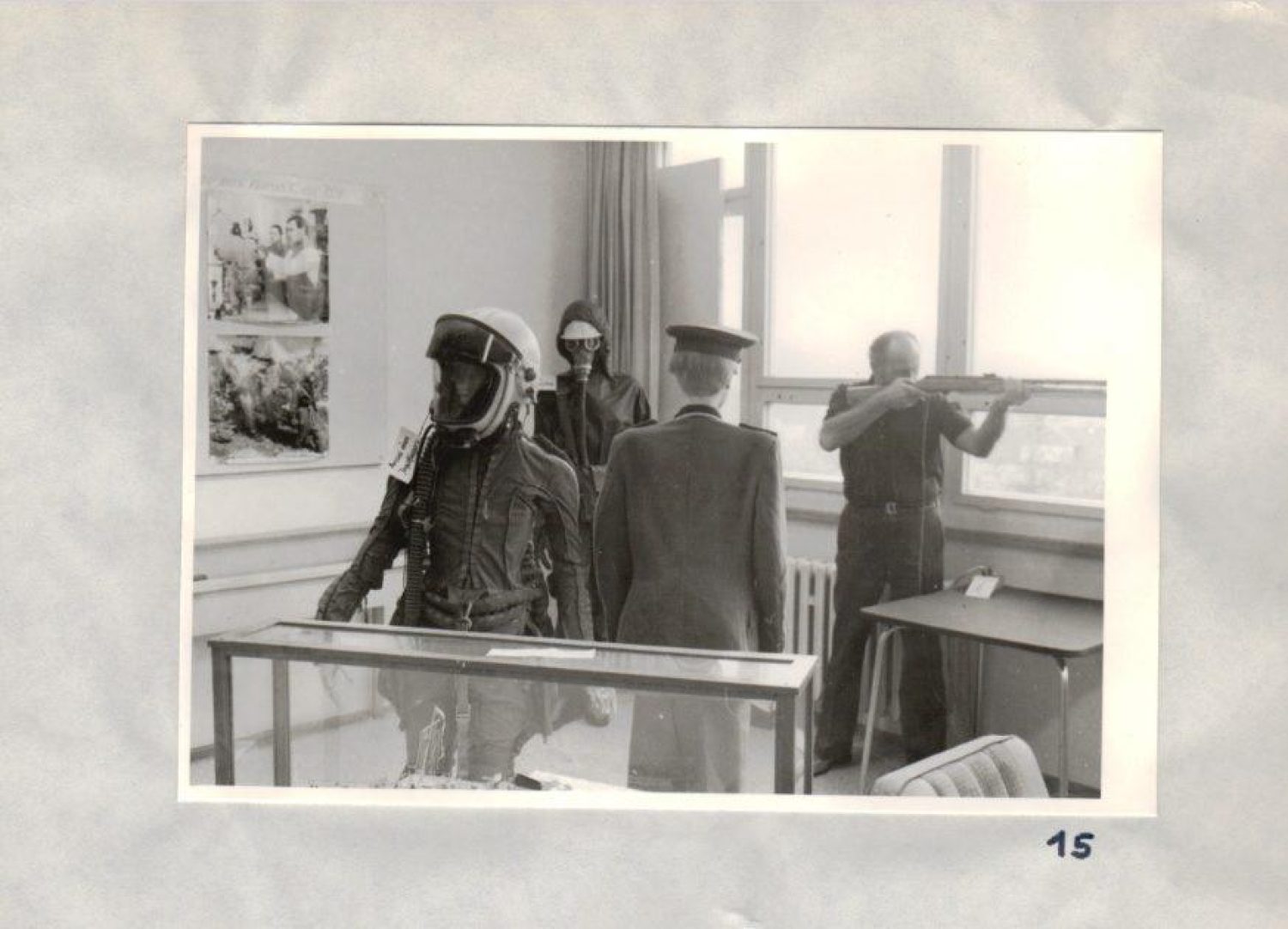
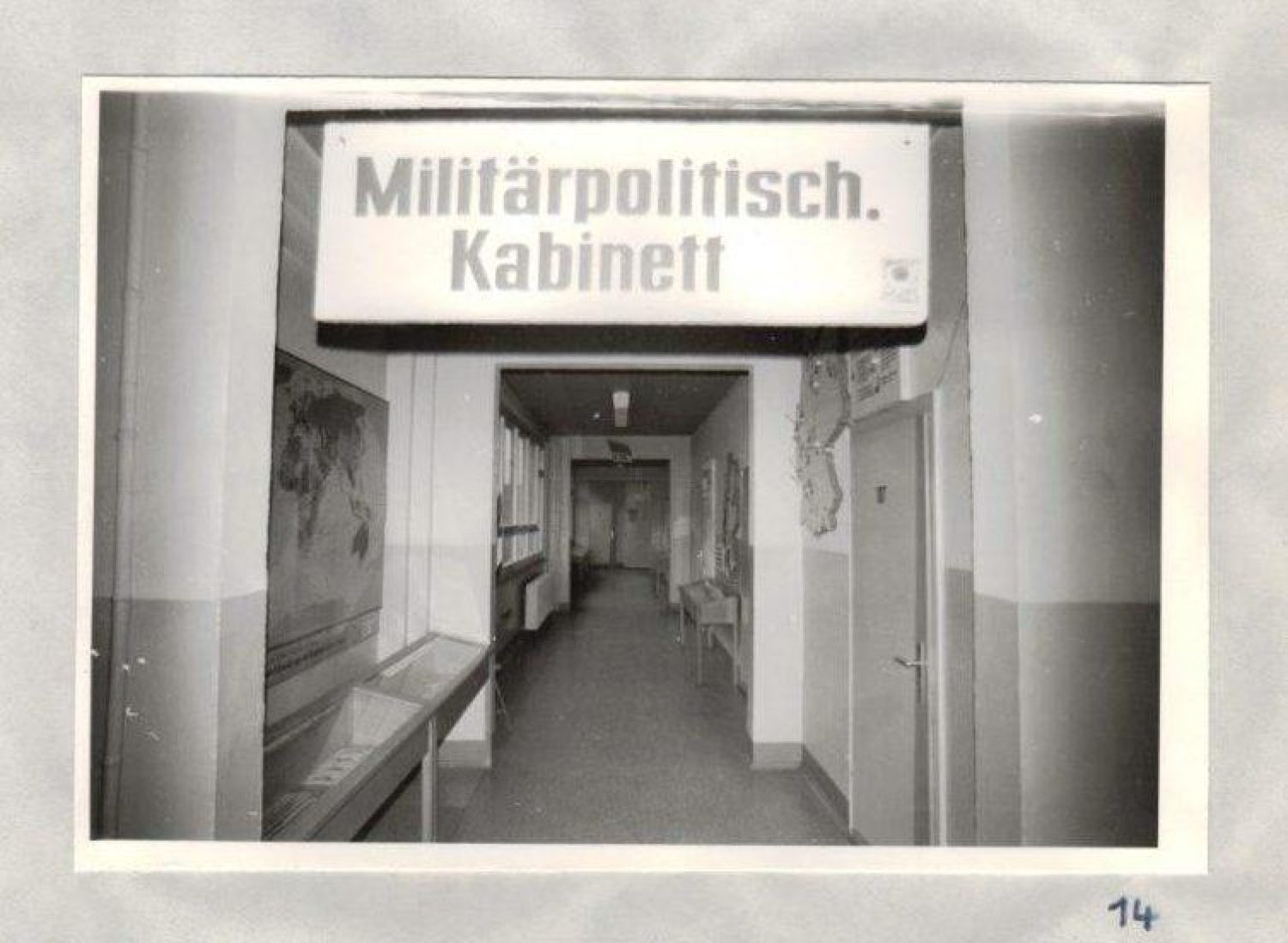
The lectures are indexed with authors' names, titles and year of publication and are in legible condition, although the carrier materials are now so outdated (transfer printing process, Ormig) that a large proportion of them are in danger of increasing deterioration. The extensive archive material of the Academy of Pedagogical Sciences (Akademie der Pädagogischen Wissenschaften, APW) and the German Pedagogical Central Institute (Deutsches Pädagogisches Zentralinstitut, DPZI) (→ leading pedagogical institutions ), which is part of the BBF archive as well, is also available for research into the development of pedagogical readings, its organisational structure and criteria for their assessment. This corpus includes the minutes of the central jury, reports on the pedagogical lectures and reports evaluating the Central Days events . This record is supplemented by sources from the German Federal Archives (Deutsches Bundesarchiv, BArch), which stores documents of the Continuing Education Department of the Ministry of Education (Abteilung Weiterbildung des Ministeriums für Volksbildung, MfV) and the Trade Union Federation (Gewerkschaftsbund). Thematically important orders and communications from the MfV are available online through the BBF’s digital text archive Scripta Pedagogica.
-
[1]
The 'Central Days of Pedagogical Lectures' initially took place at the central institute for continuing education of the GDR in Ludwigsfelde as large-scale events series for continuing education, at which lectures rated particularly highly by a jury were presented to a specialist audience. Later, these events were also held at various universities and technical colleges in the country.
-
Altner, G./ Hörig, E./ Meyer, A. (1974): Möglichkeiten der Persönlichkeitsbildung und Kollektiverziehung in der Hilfsschule durch ein vielfältiges Angebot von Interessengemeinschaften und unter der Wirkung von festen sozialistischen Schultraditionen. DIPF/BBF, PL3260. (Abruf 10.05.2024: https://bbf-scripta-paedagogic...).
-
Eichner, S. (1968): Wie erkennt man das vermutlich hilfsschulbedürftige Kind? DIPF/BBF, PL1446a. (Abruf 22.04.2024: https://scripta.bbf.dipf.de/vi...).
-
Koch, K./ Koebe, K./ von Brand, T./ Plessow, O. (2019): Sozialistische Schule zwischen Anspruch und Wirklichkeit – Die Pädagogischen Lesungen als ungehobener Schatz zur Erforschung von Unterricht in der DDR. In: Schriftenreihe der Arbeitsstelle Pädagogische Lesungen an der Universität Rostock 1. (Abruf 10.05.2024: https://doi.org/10.18453/rosdo...).
-
Richter, W. & Schlender, W. (1978): Unser militärpolitisches Kabinett – ein Beitrag zur sozialistischen Wehrerziehung. DIPF/BBF, PL4968a. (Abruf 10.05.2024: https://bbf-scripta-paedagogic...).
-
Ritzi, C. (2003): Scripta Paedagogica Online. Digitales Textarchiv zur deutschsprachigen Bildungsgeschichte. In: Thaller, M. (Hrsg.): Digitale Bausteine für die geisteswissenschaftliche Forschung. Göttingen: Philo Fine Arts, S. 103–145.
-
Wähler, J. & Hanke, M.-A. (2018): „Erfahrungen der Besten“. Die unikale Sammlung pädagogischer Lesungen der DDR – ein Werkstattbericht. In: Medienimpulse 56, 4. (Abruf 29.04.2024: https://www.pedocs.de/frontdoo...).